
KOH SAMUI TRAVEL GUIDE: WHEN TO VISIT, WHERE TO STAY AND WHAT TO EXPERIENCE
A version of Koh Samui is instantly recognisable: coconut palms leaning towards warm tropical water, long beaches catching the first light of morning, and green hills rising behind the coast. Yet the island reveals much more when there is time to move beyond the familiar picture.
Koh Samui is large enough to contain distinctly different landscapes and ways of experiencing island life, yet compact enough for them to remain connected. A morning beside the sea can become an afternoon among waterfalls and tropical vegetation, a visit to a Buddhist temple, dinner at a local market or simply a quiet evening watching the light change over the Gulf of Thailand.
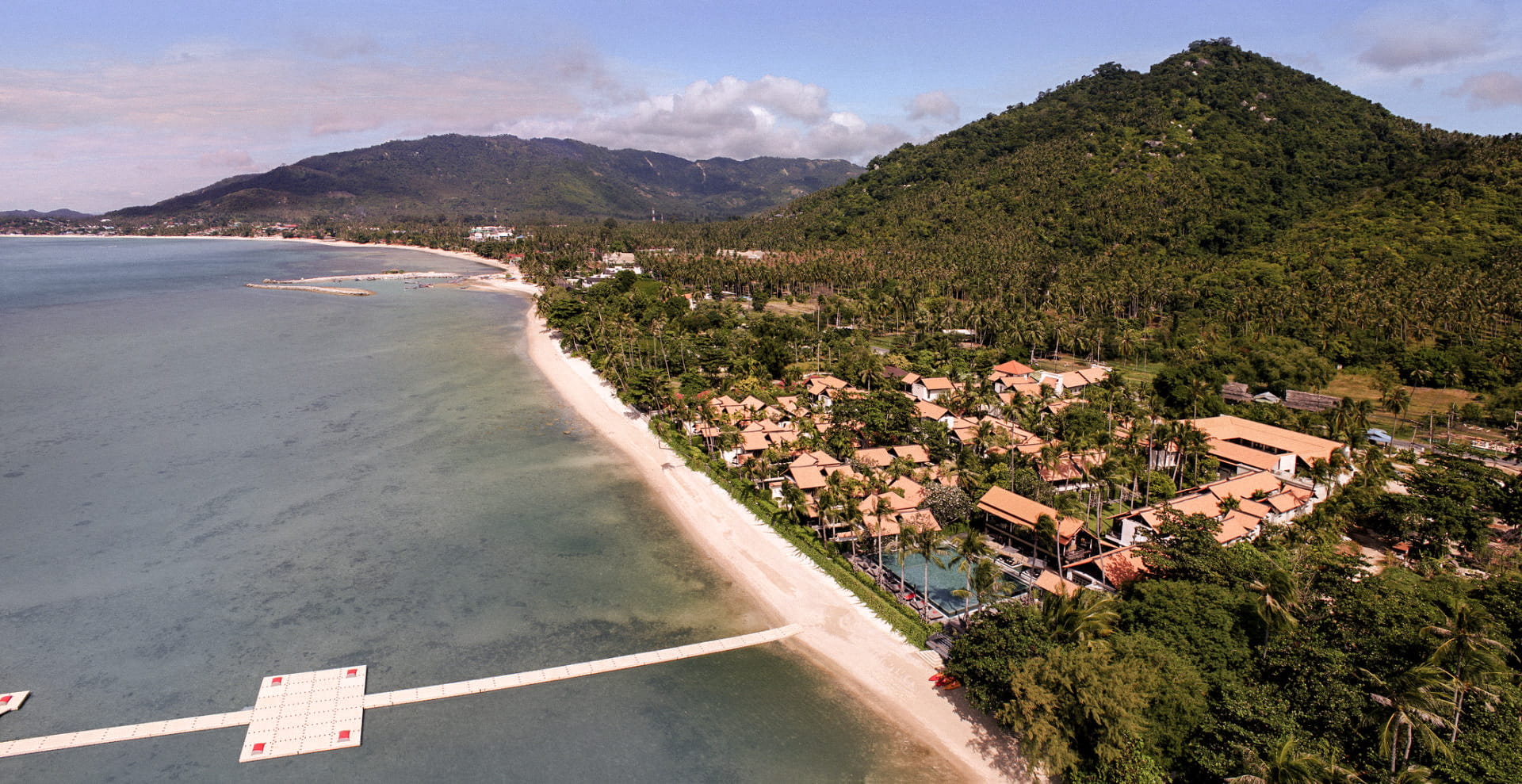
The Tourism Authority of Thailand describes Samui as Thailand’s third-largest island and part of an archipelago of more than 80 islands, including Ang Thong National Marine Park. Alongside its beaches, the island offers everything from yoga and Muay Thai to diving, cooking and cultural experiences. As Fivelements Samui takes shape on Lamai Beach, we begin our journal where every experience of this destination begins: with the island itself.
Getting to Know Koh Samui
Set in the Gulf of Thailand off the coast of Surat Thani, Koh Samui has evolved considerably from the quiet coconut-growing island early travellers discovered. Today, sophisticated resorts, restaurants and wellness experiences sit alongside temples, markets, fishing communities, tropical gardens and stretches of coast where life continues at a distinctly slower pace.
This coexistence is part of Samui’s appeal. You can seek comfort without becoming disconnected from place, and combine rest with exploration rather than choosing one or the other. The island’s different sides also have noticeably different characters. The east coast is home to Chaweng and Lamai, two of Samui’s best-known beaches. The north brings the historic atmosphere and quieter coastal communities, while the west reveals a less developed side of the island characterised by coconut groves, smaller villages and expansive sunsets. Choosing where to stay therefore shapes much more than the view from your room. It influences the rhythm of the entire stay.
When Is the Best Time to Visit Koh Samui?
One of the most useful things to understand before planning a trip is that Koh Samui’s weather pattern differs from Phuket and Thailand’s Andaman coast. Travellers should not assume that the same months offer identical conditions on both sides of southern Thailand.
Long-term climate data for Koh Samui show February as the driest month, with relatively dry conditions continuing through the first part of the year. Temperatures rise through April and May, while June, July and August can still offer attractive conditions despite intermittent tropical showers. Rainfall increases substantially in October and peaks in November.
February to April: Sunshine and Sea
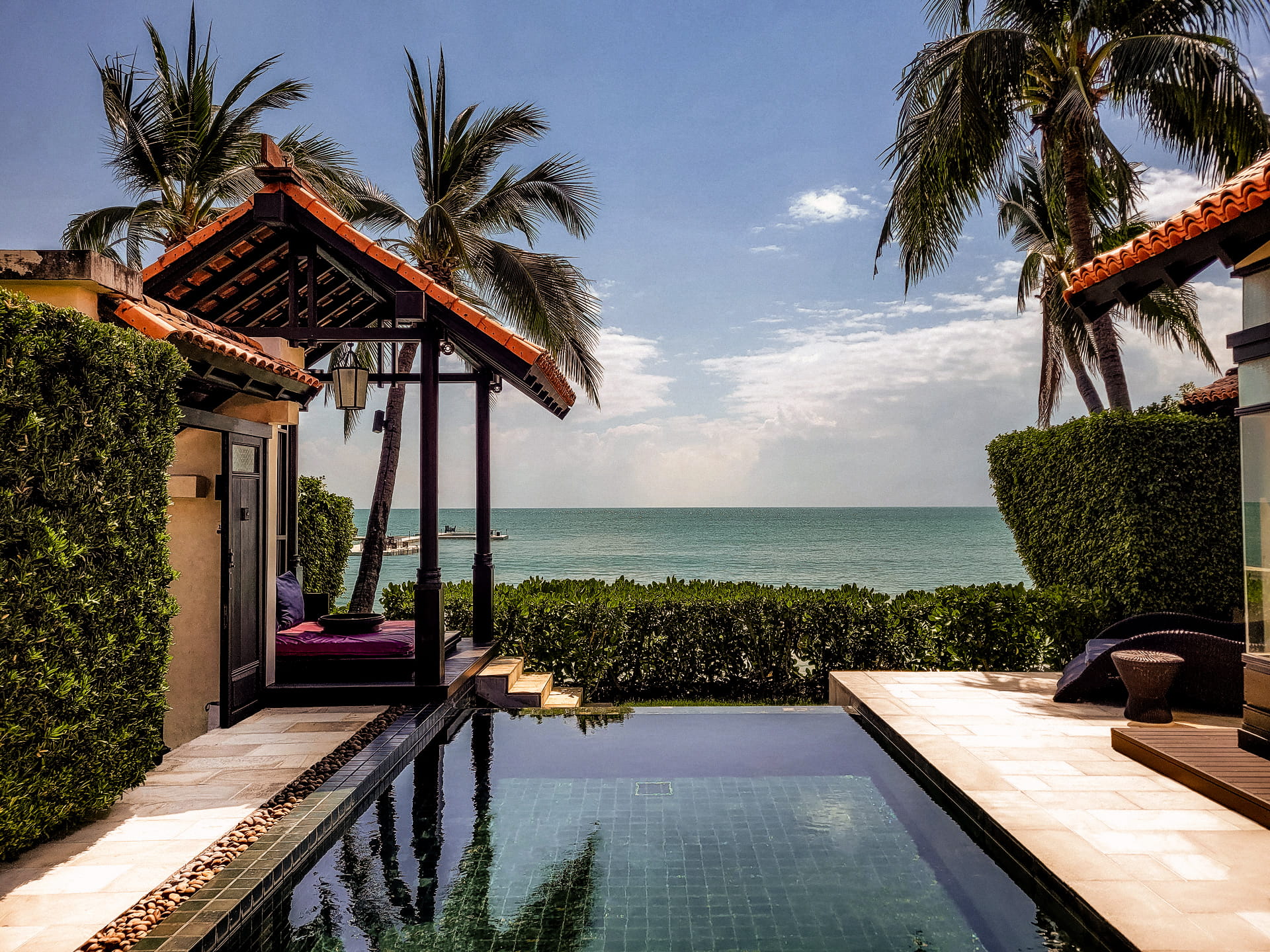
For travellers whose idea of Samui centres on swimming, long mornings outdoors, and generous sunshine, February through April is an especially attractive period. February is historically the driest month, while March remains warm and relatively dry. By April, temperatures are climbing, and the island takes on the unmistakable energy of the Thai summer. April also brings Songkran, Thailand’s traditional New Year celebration, adding another dimension for visitors who want to experience local culture. It is an excellent season for allowing the outdoors to lead the day: sunrise walks, swimming, movement, boat trips and long evenings close to the sea.
May to September: A Different Kind of Summer
Samui can be particularly appealing during the Northern Hemisphere summer because its rainfall pattern differs from much of Thailand’s Andaman coast. Long-term averages show considerably less rainfall in July and August than during Samui’s late-year monsoon period.
Days may move between sunshine, cloud and short tropical showers. Rather than diminishing the experience, this variability can suit a more flexible travel style: a morning on the water, an afternoon treatment or movement session, and an evening exploring the island’s restaurants and markets. The landscape is vividly green, the air warm and the island well suited to travellers who do not require every day to follow a fixed itinerary.
October to December: The Greener Season
October marks a significant increase in rainfall, with November historically Samui’s wettest month. December is transitional and can still receive substantial rain, although conditions vary considerably from year to year.
This is the period when flexibility matters most. Sea conditions can also become rougher, so weather and marine warnings should always take precedence over fixed plans.
For some travellers, however, this season has another side: dramatic tropical skies, abundant greenery, and more reason to slow down. Samui does not cease to exist when it rains. It simply asks to be experienced differently.
Where to Stay in Koh Samui
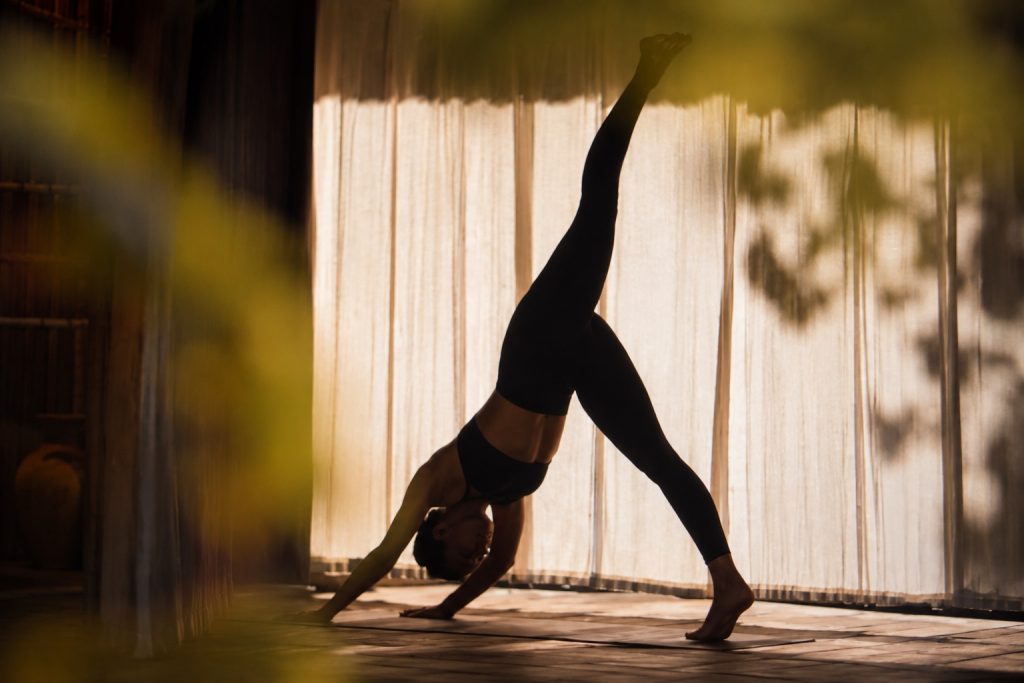
There is no single answer to the question of where to stay in Koh Samui because each part of the island offers a different relationship with the destination. Chaweng is the island’s most energetic visitor centre, with a long beach and a dense concentration of restaurants, shops, entertainment and nightlife. Bophut and Fisherman’s Village combine dining and boutique experiences with traces of the area’s historic character. Choeng Mon offers a quieter north-eastern setting, while the south and west coasts reward travellers looking for greater seclusion. And then there is Lamai.
Lamai Beach: A Slower Side of Koh Samui
Set along Samui’s south-eastern coast, Lamai occupies an interesting middle ground. It is one of the island’s established beach communities, with restaurants, shops and local life close at hand, yet its atmosphere is generally more relaxed than neighbouring Chaweng. The contrast is one of pace rather than isolation. Lamai is not a remote beach where travellers need to retreat completely from the island. It remains connected and lively, but offers more room for the day to unfold naturally. Destination guides consistently characterise Lamai as the calmer counterpart to Chaweng, while still offering dining, markets, activities and access to southern Samui.
This makes it particularly suited to travellers who want to balance exploration with restoration. Wake early, and the beach belongs to a different rhythm. The light arrives over the Gulf, the temperature is softer and the day has yet to gather momentum. It is a natural time for walking, swimming, meditation or movement before breakfast. From Lamai, the landscapes and communities of southern Samui are also within easy reach. The well-known Hin Ta and Hin Yai rock formations lie toward the southern end of the area, while the island’s interior opens to waterfalls, temples, coconut groves and tropical vegetation. For a wellbeing-led stay, that combination matters. Rest becomes part of the destination, not something scheduled between excursions.
What to Experience in Koh Samui Beyond the Beach
Samui’s beaches may be the reason many travellers first imagine the island, but they need not define the entire stay.
The mountainous interior offers a very different perspective from the developed coastline. Waterfalls, forests and coconut plantations reveal the tropical ecosystem behind the familiar beach scenery, while temples and sacred sites introduce the Buddhist traditions still woven into everyday Thai life. Food offers another way into the island. Fresh tropical produce, herbs, coconut, seafood and the flavours of southern Thailand connect cuisine directly to climate and geography. Exploring a local market can reveal as much about Samui as an afternoon spent sightseeing.
For those drawn to movement, the island has an established culture of yoga, Muay Thai, fitness and outdoor activity. The Tourism Authority of Thailand specifically highlights yoga, Muay Thai, diving and Thai cooking among Samui’s experiences. And then there is the surrounding sea. Ang Thong National Marine Park extends the experience beyond Samui itself. Its limestone islands, lagoons and marine landscapes make it one of the region’s defining nature excursions, with conditions and seasonal access always worth checking before planning a visit. The result is an island that can support very different days without requiring very different journeys.
Koh Samui Through the Lens of Wellbeing
There is another reason Samui feels increasingly relevant to today’s traveller. The meaning of a holiday is changing. Rest remains important, but many people now want to return home feeling genuinely better: better rested, more physically active, mentally clearer and perhaps more connected to habits they can sustain beyond a few days away.
Samui lends itself naturally to this way of travelling.
Warm weather encourages movement outdoors. The sea creates an intuitive relationship with water. Tropical ingredients shape lighter ways of eating. Thai healing traditions introduce touch and therapeutic ritual, while the island’s landscapes create opportunities to alternate activity with stillness.
Wellbeing here doesn’t need to fill every hour of the itinerary. A sunrise swim, nourishing breakfast, afternoon treatment, walk through nature, and good night’s sleep can be as relevant as a highly structured programme.
The distinction lies in travelling with greater awareness of how a place makes you feel.
How Long Should You Spend in Koh Samui?
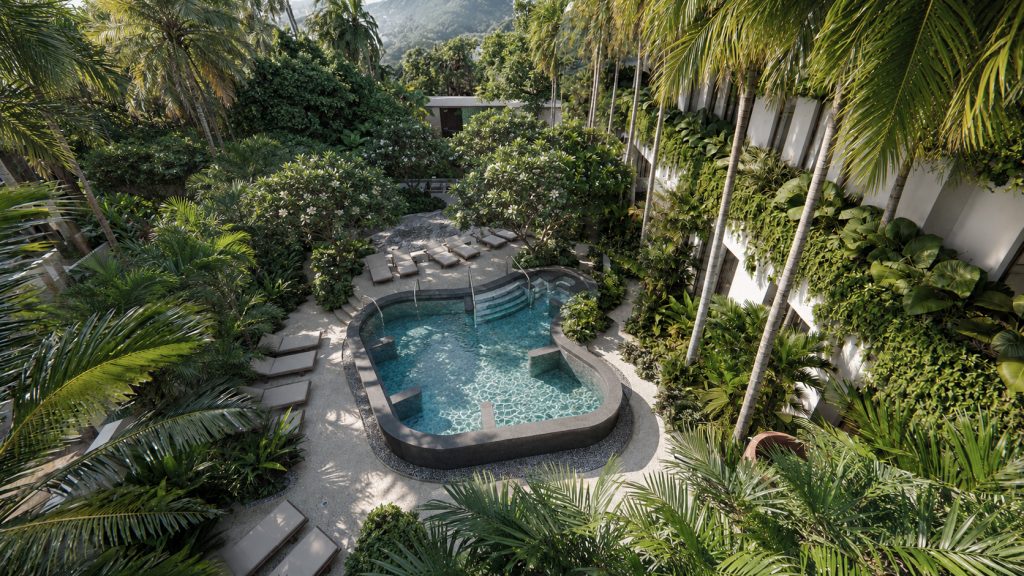
A long weekend can offer an introduction, but Samui rewards more time. Four or five days allow for the beach, some exploration and perhaps a day on the water. A week creates space for something more valuable: days without an agenda. That additional time changes the character of a trip. Instead of trying to see the island, it becomes possible to settle into it. Mornings can begin according to energy rather than an itinerary. Weather can change without ruining plans. A favourite restaurant can be revisited. A treatment can become a ritual rather than an appointment.
For travellers coming specifically for wellbeing, this slower rhythm can be particularly important. The objective is not to fill every day, but to create enough space for the body and mind to respond to being somewhere different.
Travelling Well in Samui
Perhaps the best way to experience Koh Samui is not to treat it as a checklist. Leave room between plans. Begin outdoor activities earlier, before the strongest heat. Respect temple customs and local communities. Allow tropical weather to change the day occasionally. Check sea conditions rather than assuming they will remain constant. And resist the temptation to cross the island simply because another attraction can be fitted into the afternoon.
The most memorable experiences may be considerably simpler: morning light across Lamai Beach, the scent of tropical rain, fresh fruit after a swim, an unexpectedly quiet temple courtyard or an evening when there is nowhere else you need to be. This is the Samui that reveals itself when travelling becomes less about consuming a destination and more about experiencing it.
A New Fivelements Chapter in Samui
It is within this landscape that the next chapter of Fivelements is taking shape. Fivelements Samui is being created on the shores of Lamai as the brand’s forthcoming flagship integrative wellbeing destination, bringing together the philosophy that began in Bali with a distinctly Thai expression of wellness, hospitality and place.
Samui will not simply provide the backdrop. Its relationship with water, tropical nature, Thai healing traditions, movement, food and island life will help shape the experience itself.
Until the doors open, Wellbeing Currents will explore that world: the places, practices, traditions and emerging ideas that make Samui a destination for living and travelling well.
Frequently Asked Questions About Koh Samui
What is the best time to visit Koh Samui? For travellers prioritising drier beach weather, February through April is particularly attractive. February has the lowest average rainfall in long-term climate records. June through August can also be a good time to travel in summer, while October and November bring significantly heavier rainfall.
Is Lamai Beach a good place to stay in Koh Samui? Lamai suits travellers who want beach access and a good choice of restaurants and activities while preferring a more relaxed atmosphere than central Chaweng. It also provides convenient access to many experiences in southern Samui.
How many days do you need in Koh Samui? Four to five days provides enough time for the beach and several island experiences, while a week allows for a more relaxed balance of exploration, wellbeing and unstructured time.
Is Koh Samui good for wellness travel? Yes. Samui has an established wellness culture encompassing yoga, Thai massage and healing traditions, fitness, Muay Thai, healthy cuisine and nature-based experiences. The island’s tropical setting also makes outdoor movement and water-based activities easy to incorporate into a stay.
Is Koh Samui worth visiting outside the dry season? Yes, provided expectations remain flexible. Samui is warm throughout the year, but rainfall and sea conditions vary considerably by season. Travellers visiting during wetter periods should build flexibility into outdoor and marine activities and check current forecasts rather than relying solely on historical averages.