LOY KRATHONG IN KOH SAMUI: A FESTIVAL OF LIGHT, WATER AND LETTING GO
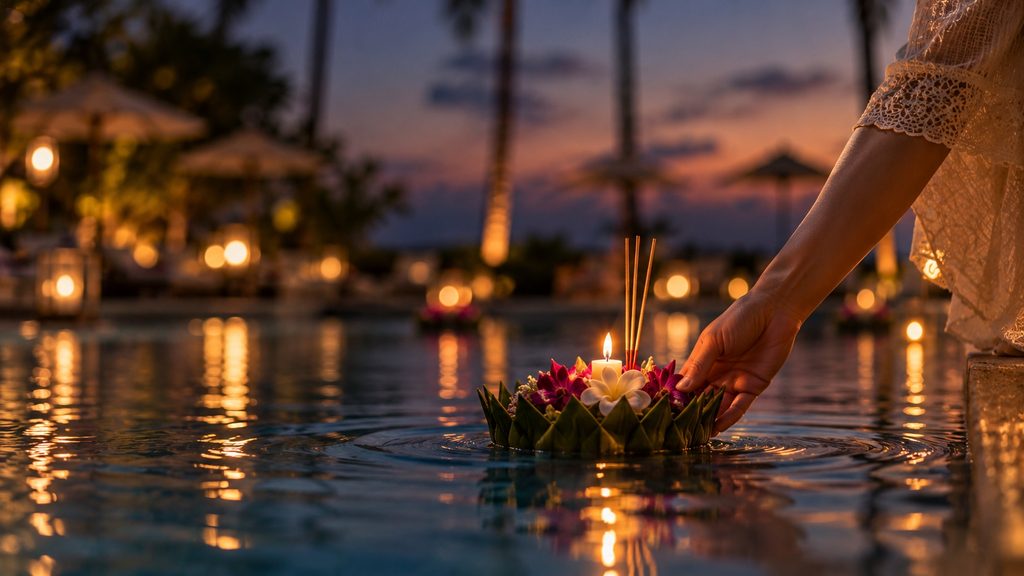
Once a year, as the full moon rises over the Gulf of Thailand, the island’s beaches, lakes and piers fill with small points of light. Families, couples and friends kneel at the water’s edge, light a candle and incense, and release a little floating offering into the dark. Within minutes, the sea is scattered with flickering flames drifting slowly towards the horizon.
This is Loy Krathong, one of Thailand’s most beautiful and best-loved festivals. Celebrating Loy Krathong in Koh Samui is a gentle, moving experience. It is also a reminder of something we often forget in the rush of the year’s final weeks: that gratitude and letting go belong together. As this article explores, the ritual offers a simple practice that anyone can carry home.
What Is Loy Krathong?
The name says it all. Loy means to float, and a krathong is a small vessel, traditionally made from a slice of banana tree trunk wrapped in folded banana leaves and decorated with flowers, a candle and incense sticks.
The festival is commonly traced back to the Sukhothai Kingdom, around 700 years ago. Legend credits Nang Noppamas, a royal consort, with crafting the first lotus-shaped krathong, although historians debate the details. What is certain is that Loy Krathong blends Buddhist and Brahmin influences with a much older connection between Thai communities and the water that sustains them.
At its heart, the festival honours Phra Mae Khongkha, the goddess of water. People float their krathongs to give thanks for the rivers, lakes and seas that nourish life, and to ask forgiveness for the ways we have used or polluted them. According to the Tourism Authority of Thailand, the act is also believed to release misfortune and invite good fortune for the year ahead.
When Is Loy Krathong 2026?
Loy Krathong follows the Thai lunar calendar and takes place on the evening of the full moon in the twelfth lunar month. The date shifts each year, usually falling in November. In 2026, Loy Krathong falls on Tuesday 24 November.
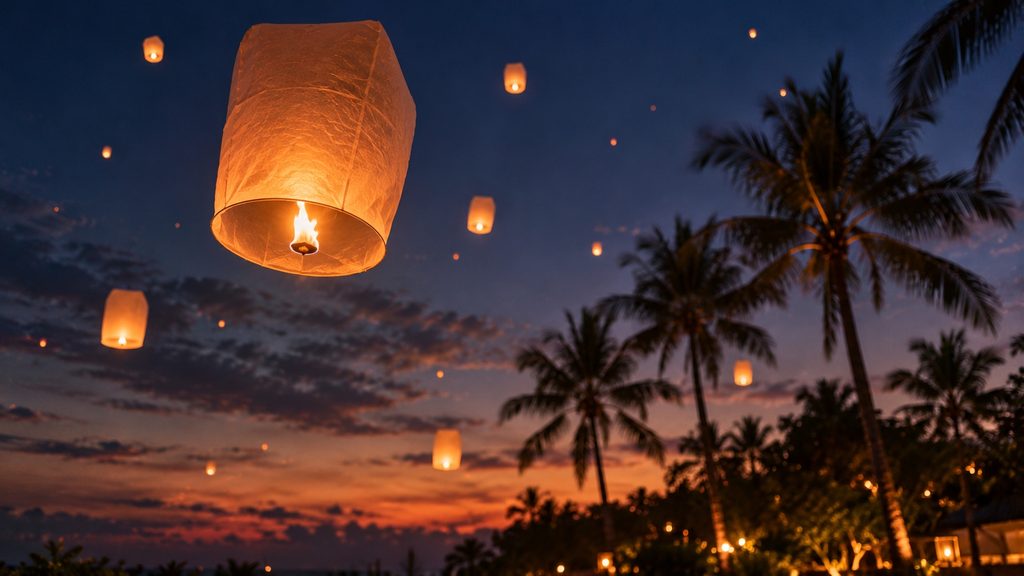
In northern Thailand, the festival coincides with Yi Peng, when lanterns are released into the night sky over Chiang Mai. In Koh Samui and across the south, the focus stays firmly on the water, with the sea taking centre stage.
Gratitude and Release: The Wellbeing Behind the Ritual
Many cultures mark the turning of the year with a moment of reflection. Loy Krathong does so with unusual grace. It brings together two practices that wellbeing traditions around the world recognise as quietly powerful.
The first is gratitude. Thanking the water for all it provides is a way of noticing what we usually take for granted. A growing body of research, summarised by the Greater Good Science Centre at UC Berkeley, suggests that a regular gratitude practice may support better sleep and a more positive outlook.
The second is release. Traditionally, some people add a strand of hair or a fingernail clipping to their krathong, a symbol of letting go of anger, regret or bad luck. Watching it float away is a tangible way to close a chapter. Psychologists often describe a similar benefit in expressive writing, where putting worries into words helps the mind set them down.
A simple letting-go reflection
Before you float your krathong, or simply on a quiet evening at home, take ten minutes with a notebook and consider three questions:
What am I grateful for this year? Name three people, places or moments, as specifically as you can.
What am I ready to let go of? A habit, a worry or a grudge that no longer serves you.
What would I like to welcome? One quality you would like more of in the months ahead, such as rest, patience, energy or joy.
As you release your krathong, hold the second answer lightly in mind and let it drift. Many people find the moment surprisingly emotional, and that is part of its power.
How to Make an Eco-Friendly Krathong
Thousands of krathongs are released each year, and their materials matter. Foam and plastic floats stay in the water long after the night is over, while natural materials break down or become food for fish. Making your own krathong is a lovely activity for families and couples, and it keeps the ritual true to its spirit of respect for water.
Share one krathong. Many Thai families now float a single krathong together, which reduces waste and makes the moment more meaningful.
Choose a natural base. A slice of banana trunk is traditional. Bread krathongs are also popular, as fish eat them once they drift away.
Fold banana leaves for the petals. Simple folded cones pinned around the base create the classic lotus shape.
Use pins sparingly. Bamboo skewers or toothpicks work better than metal pins or staples.
Decorate with flowers. Orchids, marigolds and jasmine are common choices, and many are sold fresh at local markets in the days before the festival.
Where to Celebrate Loy Krathong in Koh Samui
Every corner of the island marks the festival in its own way, from lively lakeside fairs to quiet stretches of sand.
Chaweng Lake is one of the island’s busiest gatherings, with food stalls selling coconut pancakes and grilled seafood alongside music and performances. Bophut Fisherman’s Village combines a festive market atmosphere with krathongs floated directly into the sea. Maenam, on the north coast, offers a more peaceful setting with wide views across the water.
Lamai Beach, on the east coast, is a favourite with those who prefer a slower pace. Local families gather along the shore at dusk, and the long curve of the bay fills with candlelight as the moon rises. It is also close to Hin Ta and Hin Yai, the famous grandfather and grandmother rocks, which makes for a gentle afternoon of exploring before the evening begins. Our Koh Samui travel guide explores more of Lamai’s slower side.
Tips for a mindful Loy Krathong
Arrive at dusk. The light is beautiful, and you will find space at the water’s edge before the crowds.
Prepare for rain. November is one of Samui’s wettest months, so a light umbrella or rain jacket is wise.
Float with care. Light your candle away from clothing and hair, and release the krathong gently rather than throwing it.
Leave other krathongs be. Each one carries someone’s wish, so let them drift undisturbed.
Check local guidance on lanterns. Sky lanterns are restricted in many areas for fire and air safety, so ask your hotel or local authorities before releasing one.
Thai Wisdom, Lived in the Present
Loy Krathong reflects something deeply Thai: the belief that wellbeing is not separate from nature, community and gratitude, but woven through them. Water, in particular, holds a special place. It cleanses, restores and carries away what we no longer need.
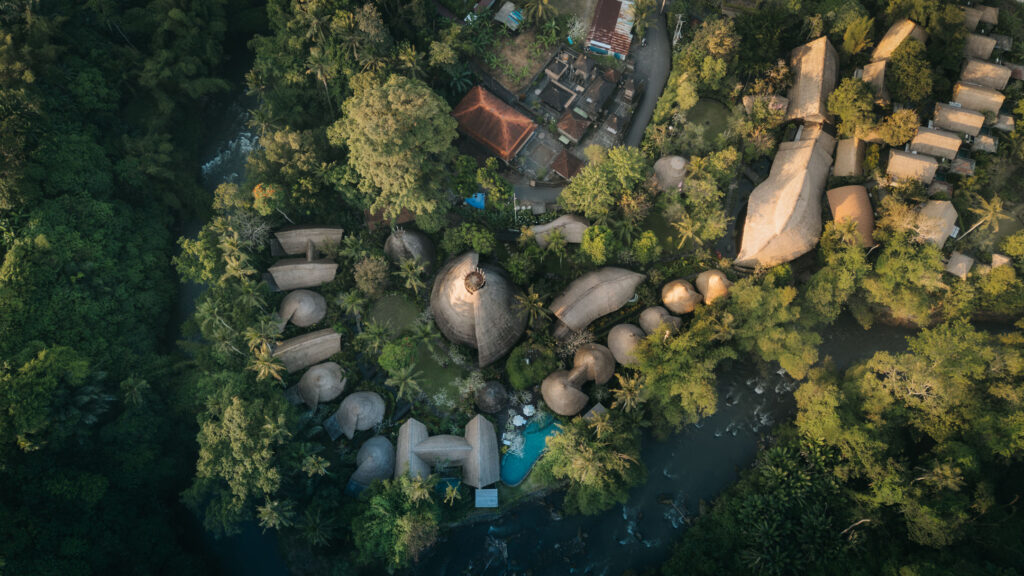
This idea sits at the heart of Fivelements Samui, our forthcoming wellness retreat on the shores of Lamai Beach. Drawing on Thai healing traditions while staying grounded in modern life, its wellness philosophy treats water as a transformational practice, from the rhythm of the ocean to hot, warm and cold bathing rituals set in a tropical garden. It is a natural continuation of a journey that began in Bali, where our sister retreat explores the five elements of renewal beside the Ayung River.
Carrying the Light Forward
The candles of Loy Krathong burn for only a few minutes, but the intention behind them can last much longer. A moment of thanks, a conscious decision to let something go and a clear wish for what comes next are simple practices that work just as well at home as they do on a moonlit beach.
As the year draws to a close, Loy Krathong offers an invitation to pause, give thanks and begin the season ahead a little lighter. Wherever you find yourself on 24 November, we hope you will take a moment to let your own small light drift out across the water.
A PLACE IN TRANSFORMATION: THE STORY OF FIVELEMENTS SAMUI
Some places change the way you feel almost as soon as you arrive. The sound of the sea softens, the air feels warmer and slower, and the mind begins to settle. On the east coast of Koh Samui, along the gentle curve of Lamai Beach, one such place is entering a new chapter.
Fivelements Samui is a wellness retreat in Koh Samui currently taking shape on the beachfront, between the Gulf of Thailand and the rainforest-covered hills behind. It will be the newest home of a wellbeing philosophy that began almost two decades ago in Bali. This is the story of where it comes from, what it believes and what is unfolding on the island.
Where the Fivelements Story Began
Fivelements began in 2007 beside the sacred Ayung River in Bali, as a sanctuary for healing and renewal. Set among rice terraces and jungle, with open-air bamboo pavilions above the water, Fivelements Ubud became known for Balinese healing traditions, plant-forward cuisine and a deep respect for nature.
At its heart was a simple idea drawn from ancient wisdom: that wellbeing comes from balance between the five elements of earth, water, fire, air and ether, and between body, mind and spirit. Each element offers a different path to renewal, as we explore in the five elements of renewal.
Over almost two decades, that philosophy has grown. Alongside traditional healing, Fivelements has embraced movement, nutrition, hydrotherapy and personalised wellbeing journeys, bringing ancestral knowledge together with modern, evidence-informed practice. The award-winning Ubud retreat remains the original sanctuary, and the brand is now carrying its approach to new destinations around the world. Samui brings that philosophy to the ocean.
Why Koh Samui, and Why Lamai
Koh Samui has long been loved for its beaches, but the island has a quieter side that rewards those who slow down. Waterfalls hidden in the jungle, temples on the hillsides, coconut plantations and fishing communities all sit within easy reach of the coast.
Lamai captures that balance beautifully. Calmer than Chaweng yet still connected to local markets, dining and the island’s southern villages, it is a place where daily life moves at a gentle pace. The sea brings rhythm and openness. The rainforest behind brings stillness and grounding. Our destination line describes it simply: where ocean energy meets island life.
That contrast lies at the heart of the experience. The ocean draws you outward, while the island invites you further in. Guests should leave feeling energised and deeply rested. You can explore more of the area in our Koh Samui travel guide.
Building on a Beachfront Heritage
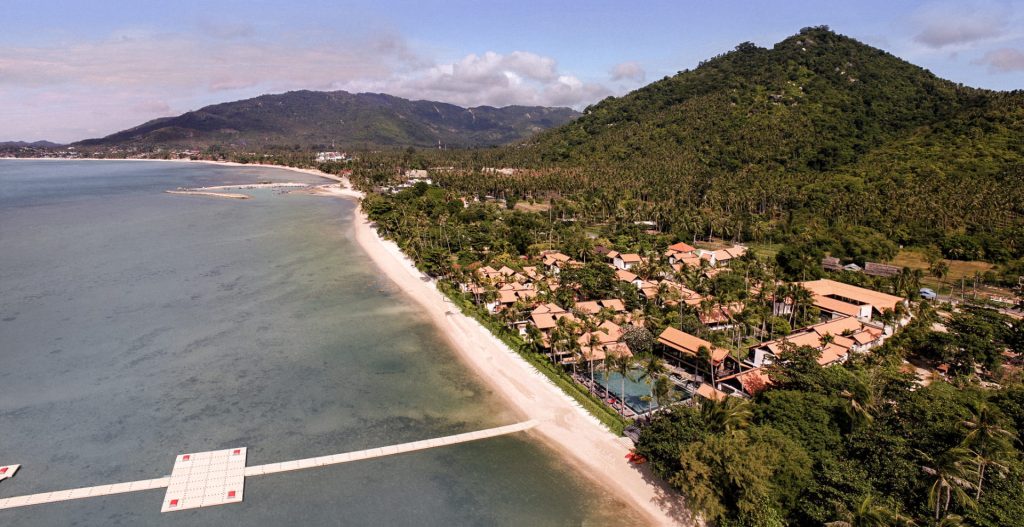
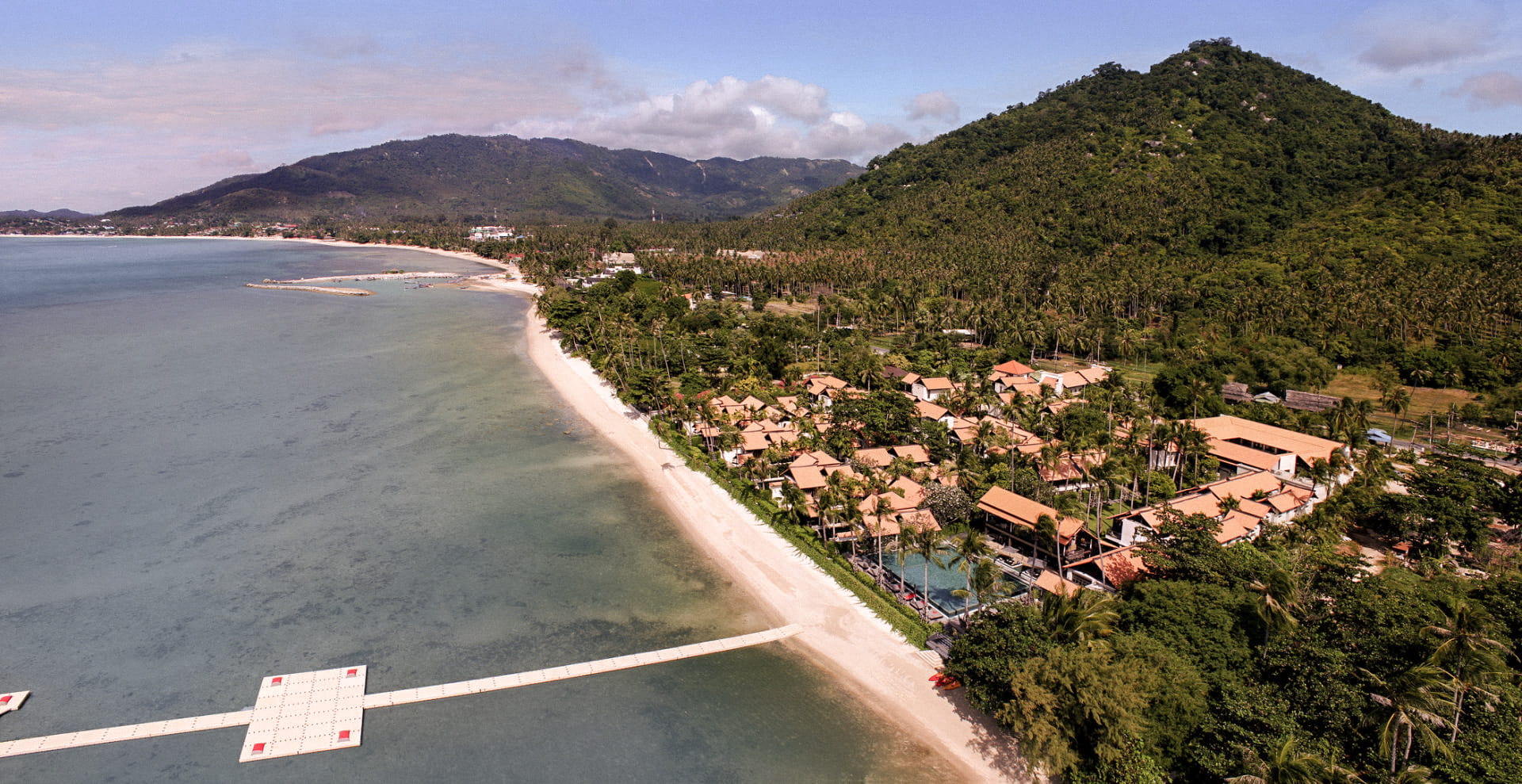
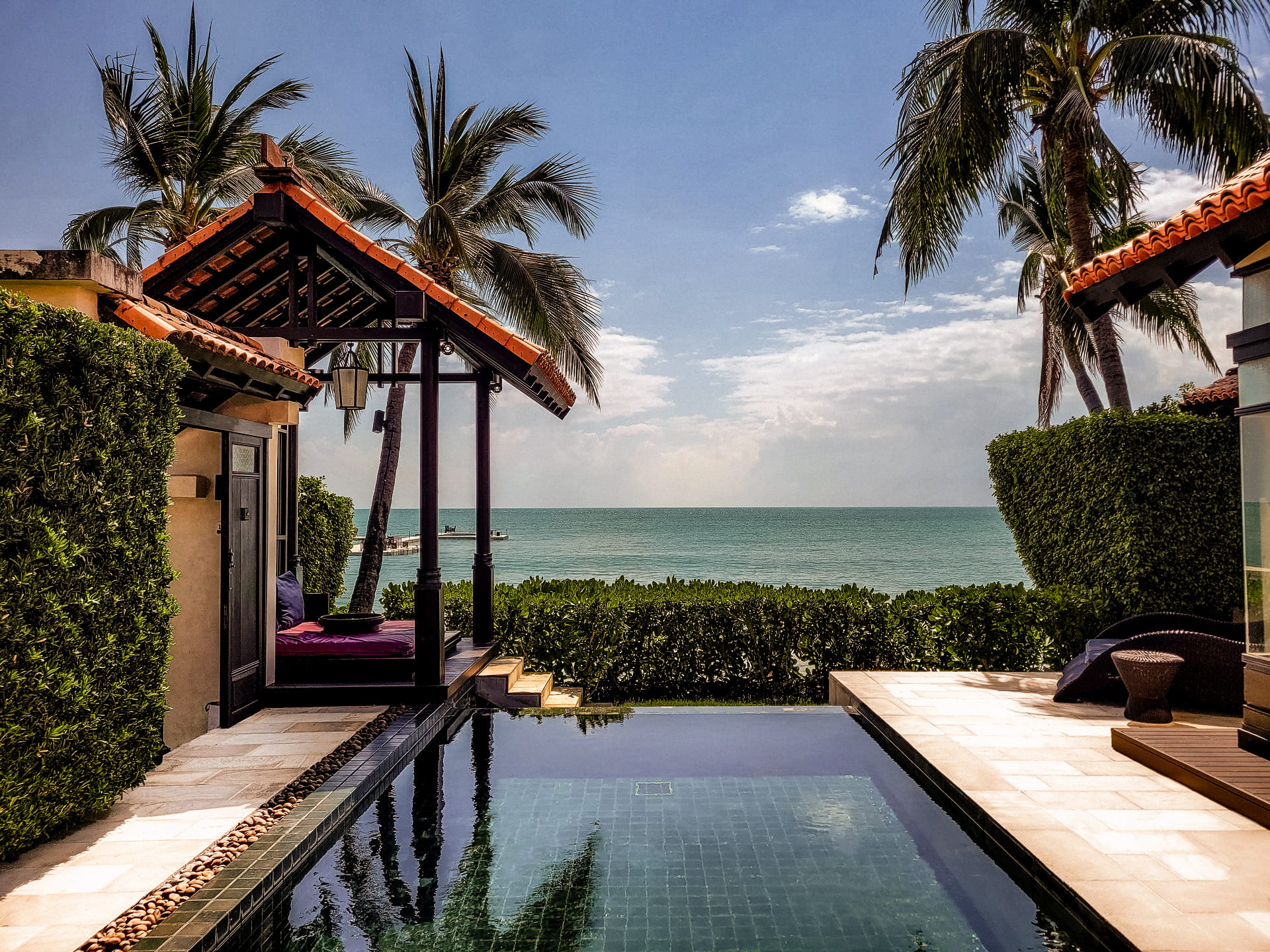
Rather than starting from scratch, Fivelements Samui grows from a long-established beachfront property with a story of its own. For years, travellers have arrived here to the sound of the sea and the shade of old trees. Its character is already rich: Sino-Thai architectural details, a layout guided by Feng Shui principles, mature tropical gardens and a private pier stretching out into the Gulf.
The transformation builds on that heritage. The 77 suites and private pool villas are being thoughtfully renewed, while a dedicated Healing & Wellness Village is rising on adjacent land beside the existing gardens. Keeping what is beautiful and reimagining the rest reflects the regenerative thinking that runs through Fivelements, from architecture and design to food and the human spirit.
Thai Wisdom, Lived in the Present
Each Fivelements destination is shaped by the culture around it. In Bali, that means Balinese healing traditions and the spiritual rhythm of Ubud. In Samui, it means Thailand’s own deep heritage of wellbeing.
Thai healing traditions have been refined over centuries. Nuad Thai, traditional Thai massage, was recognised by UNESCO as part of humanity’s Intangible Cultural Heritage in 2019. Herbal compresses, steam infused with lemongrass and kaffir lime, and a rich knowledge of local plants all belong to the same living tradition.
At Fivelements Samui, these practices sit alongside modern wellbeing approaches, guided by a belief in the harmony of body, mind and spirit. Just as important is the spirit of Thai hospitality: warm, genuine and unhurried.
Wellness, Your Way
Many wellness retreats ask for a commitment before you arrive: a set programme, a minimum stay and a fixed itinerary. Fivelements Samui takes a different view. Wellbeing should fit the way you want to live, and every guest should be free to choose how deep to go.
Three ways to experience it
A single moment. Join a sunrise class by the sea, enjoy a nourishing meal or book a treatment, with no programme required.
A healthy holiday. Spend a few days finding a gentle rhythm of movement, good food, rest and time in nature.
A deeper journey. Follow a personalised path, guided by our team, that grows with you over a longer stay.
There is no rulebook. Couples, friends, families, solo travellers, island residents and returning guests are all welcome to shape their own experience.
What Is Taking Shape
The new chapter will unfold step by step through 2027, so there will always be something new to discover. Here is a glimpse of what is coming.
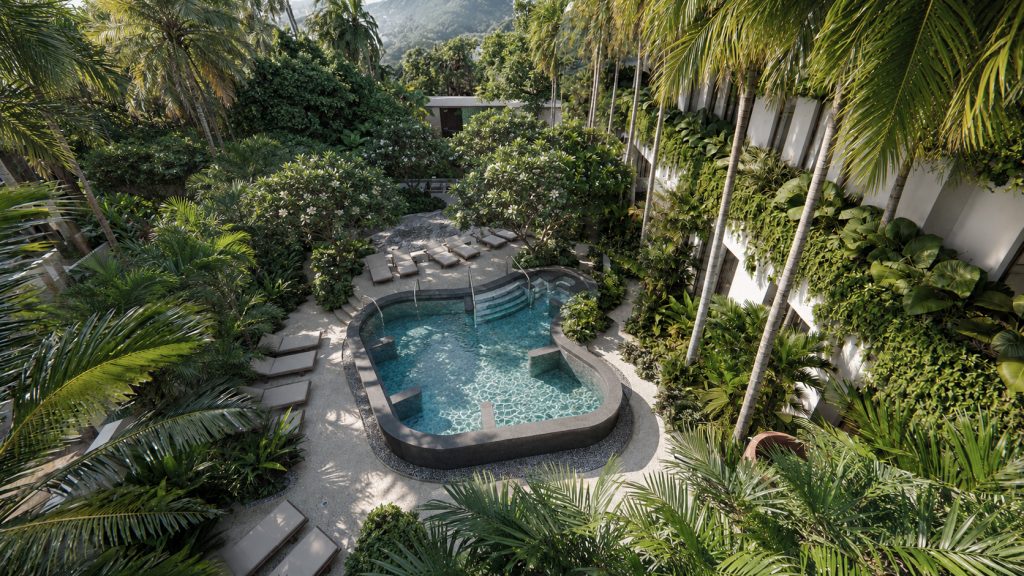
Water as a transformational practice. A thermal bathing garden is at the centre of the wellness village. Rooted in global bathing traditions, it brings together hot, warm and cold immersion, herbal steam and sauna rituals within a tropical landscape. In the evenings, it becomes a social space for unwinding together.
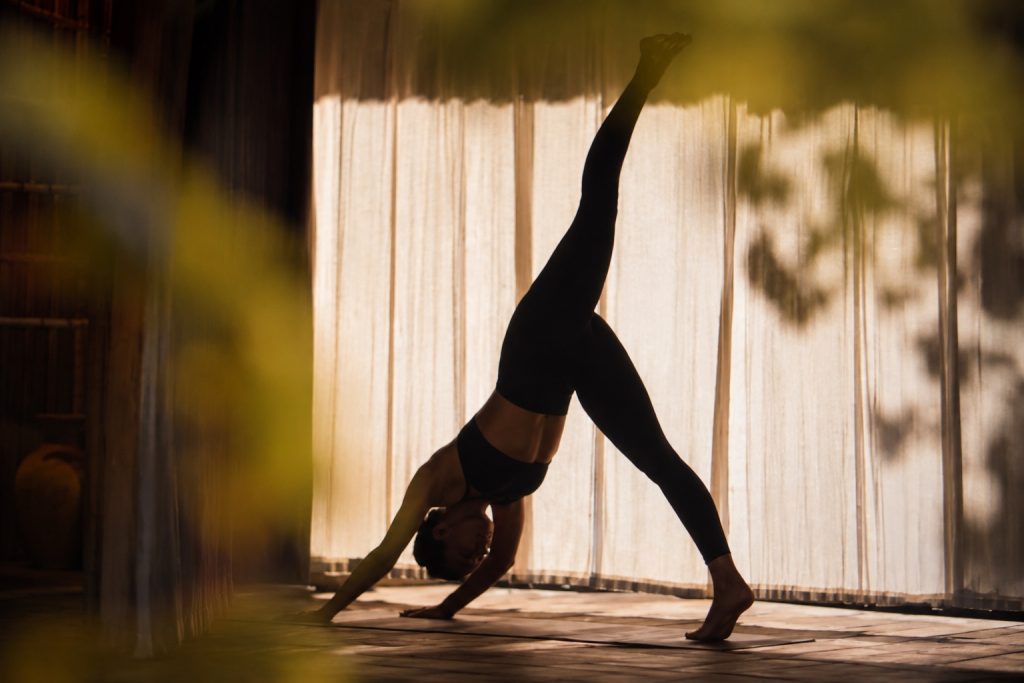
Conscious movement. Fitness and mind-body studios, a Pilates studio, ice baths and outdoor training spaces will be complemented by the Canopy Deck, a circular platform built around a living Golden Shower Tree with views over the ocean.
Nourishment with a sense of place. At THYME, our oceanfront wellness restaurant, menus will be around 80% plant-based, with small portions of sustainably sourced fish and seafood. Seasonal southern Thai ingredients, an organic show garden and a central sharing table set the tone. VITA, our elixirs and tonics bar, will serve fresh juices, fermented drinks and herbal blends. Find out more about our approach to cuisine.
Hands-on healing. A holistic spa centre will offer Thai and Asian healing rituals, massage and body treatments, while specialist Thai and Chinese medicine services are planned for later phases.
Always Evolving, Always Becoming
At Fivelements, we believe the most meaningful journeys are never quite finished. That is as true of places as it is of people. Fivelements Samui is being created to evolve with its guests, its team and its island, opening new experiences and giving every visitor a reason to return.
KOH SAMUI TRAVEL GUIDE: WHEN TO VISIT, WHERE TO STAY AND WHAT TO EXPERIENCE
A version of Koh Samui is instantly recognisable: coconut palms leaning towards warm tropical water, long beaches catching the first light of morning, and green hills rising behind the coast. Yet the island reveals much more when there is time to move beyond the familiar picture.
Koh Samui is large enough to contain distinctly different landscapes and ways of experiencing island life, yet compact enough for them to remain connected. A morning beside the sea can become an afternoon among waterfalls and tropical vegetation, a visit to a Buddhist temple, dinner at a local market or simply a quiet evening watching the light change over the Gulf of Thailand.
The Tourism Authority of Thailand describes Samui as Thailand’s third-largest island and part of an archipelago of more than 80 islands, including Ang Thong National Marine Park. Alongside its beaches, the island offers everything from yoga and Muay Thai to diving, cooking and cultural experiences. As Fivelements Samui takes shape on Lamai Beach, we begin our journal where every experience of this destination begins: with the island itself.
Getting to Know Koh Samui
Set in the Gulf of Thailand off the coast of Surat Thani, Koh Samui has evolved considerably from the quiet coconut-growing island early travellers discovered. Today, sophisticated resorts, restaurants and wellness experiences sit alongside temples, markets, fishing communities, tropical gardens and stretches of coast where life continues at a distinctly slower pace.
This coexistence is part of Samui’s appeal. You can seek comfort without becoming disconnected from place, and combine rest with exploration rather than choosing one or the other. The island’s different sides also have noticeably different characters. The east coast is home to Chaweng and Lamai, two of Samui’s best-known beaches. The north brings the historic atmosphere and quieter coastal communities, while the west reveals a less developed side of the island characterised by coconut groves, smaller villages and expansive sunsets. Choosing where to stay therefore shapes much more than the view from your room. It influences the rhythm of the entire stay.
When Is the Best Time to Visit Koh Samui?
One of the most useful things to understand before planning a trip is that Koh Samui’s weather pattern differs from Phuket and Thailand’s Andaman coast. Travellers should not assume that the same months offer identical conditions on both sides of southern Thailand.
Long-term climate data for Koh Samui show February as the driest month, with relatively dry conditions continuing through the first part of the year. Temperatures rise through April and May, while June, July and August can still offer attractive conditions despite intermittent tropical showers. Rainfall increases substantially in October and peaks in November.
February to April: Sunshine and Sea
For travellers whose idea of Samui centres on swimming, long mornings outdoors, and generous sunshine, February through April is an especially attractive period. February is historically the driest month, while March remains warm and relatively dry. By April, temperatures are climbing, and the island takes on the unmistakable energy of the Thai summer. April also brings Songkran, Thailand’s traditional New Year celebration, adding another dimension for visitors who want to experience local culture. It is an excellent season for allowing the outdoors to lead the day: sunrise walks, swimming, movement, boat trips and long evenings close to the sea.
May to September: A Different Kind of Summer
Samui can be particularly appealing during the Northern Hemisphere summer because its rainfall pattern differs from much of Thailand’s Andaman coast. Long-term averages show considerably less rainfall in July and August than during Samui’s late-year monsoon period.
Days may move between sunshine, cloud and short tropical showers. Rather than diminishing the experience, this variability can suit a more flexible travel style: a morning on the water, an afternoon treatment or movement session, and an evening exploring the island’s restaurants and markets. The landscape is vividly green, the air warm and the island well suited to travellers who do not require every day to follow a fixed itinerary.
October to December: The Greener Season
October marks a significant increase in rainfall, with November historically Samui’s wettest month. December is transitional and can still receive substantial rain, although conditions vary considerably from year to year.
This is the period when flexibility matters most. Sea conditions can also become rougher, so weather and marine warnings should always take precedence over fixed plans. For some travellers, however, this season has another side: dramatic tropical skies, abundant greenery, and more reason to slow down. Samui does not cease to exist when it rains. It simply asks to be experienced differently.
Where to Stay in Koh Samui
There is no single answer to the question of where to stay in Koh Samui because each part of the island offers a different relationship with the destination. Chaweng is the island’s most energetic visitor centre, with a long beach and a dense concentration of restaurants, shops, entertainment and nightlife. Bophut and Fisherman’s Village combine dining and boutique experiences with traces of the area’s historic character. Choeng Mon offers a quieter north-eastern setting, while the south and west coasts reward travellers looking for greater seclusion. And then there is Lamai.
Lamai Beach: A Slower Side of Koh Samui
Set along Samui’s south-eastern coast, Lamai occupies an interesting middle ground. It is one of the island’s established beach communities, with restaurants, shops and local life close at hand, yet its atmosphere is generally more relaxed than neighbouring Chaweng. The contrast is one of pace rather than isolation. Lamai is not a remote beach where travellers need to retreat completely from the island. It remains connected and lively, but offers more room for the day to unfold naturally. Destination guides consistently characterise Lamai as the calmer counterpart to Chaweng, while still offering dining, markets, activities and access to southern Samui.
This makes it particularly suited to travellers who want to balance exploration with restoration. Wake early, and the beach belongs to a different rhythm. The light arrives over the Gulf, the temperature is softer and the day has yet to gather momentum. It is a natural time for walking, swimming, meditation or movement before breakfast. From Lamai, the landscapes and communities of southern Samui are also within easy reach. The well-known Hin Ta and Hin Yai rock formations lie toward the southern end of the area, while the island’s interior opens to waterfalls, temples, coconut groves and tropical vegetation. For a wellbeing-led stay, that combination matters. Rest becomes part of the destination, not something scheduled between excursions.
What to Experience in Koh Samui Beyond the Beach
Samui’s beaches may be the reason many travellers first imagine the island, but they need not define the entire stay. The mountainous interior offers a very different perspective from the developed coastline. Waterfalls, forests and coconut plantations reveal the tropical ecosystem behind the familiar beach scenery, while temples and sacred sites introduce the Buddhist traditions still woven into everyday Thai life. Food offers another way into the island. Fresh tropical produce, herbs, coconut, seafood and the flavours of southern Thailand connect cuisine directly to climate and geography. Exploring a local market can reveal as much about Samui as an afternoon spent sightseeing.
For those drawn to movement, the island has an established culture of yoga, Muay Thai, fitness and outdoor activity. The Tourism Authority of Thailand specifically highlights yoga, Muay Thai, diving and Thai cooking among Samui’s experiences. And then there is the surrounding sea. Ang Thong National Marine Park extends the experience beyond Samui itself. Its limestone islands, lagoons and marine landscapes make it one of the region’s defining nature excursions, with conditions and seasonal access always worth checking before planning a visit. The result is an island that can support very different days without requiring very different journeys.
Koh Samui Through the Lens of Wellbeing
There is another reason Samui feels increasingly relevant to today’s traveller. The meaning of a holiday is changing. Rest remains important, but many people now want to return home feeling genuinely better: better rested, more physically active, mentally clearer and perhaps more connected to habits they can sustain beyond a few days away.
Samui lends itself naturally to this way of travelling. Warm weather encourages movement outdoors. The sea creates an intuitive relationship with water. Tropical ingredients shape lighter ways of eating. Thai healing traditions introduce touch and therapeutic ritual, while the island’s landscapes create opportunities to alternate activity with stillness.
Wellbeing here doesn’t need to fill every hour of the itinerary. A sunrise swim, nourishing breakfast, afternoon treatment, walk through nature, and good night’s sleep can be as relevant as a highly structured programme.
The distinction lies in travelling with greater awareness of how a place makes you feel.
How Long Should You Spend in Koh Samui?
A long weekend can offer an introduction, but Samui rewards more time. Four or five days allow for the beach, some exploration and perhaps a day on the water. A week creates space for something more valuable: days without an agenda. That additional time changes the character of a trip. Instead of trying to see the island, it becomes possible to settle into it. Mornings can begin according to energy rather than an itinerary. Weather can change without ruining plans. A favourite restaurant can be revisited. A treatment can become a ritual rather than an appointment.
For travellers coming specifically for wellbeing, this slower rhythm can be particularly important. The objective is not to fill every day, but to create enough space for the body and mind to respond to being somewhere different.
Travelling Well in Samui
Perhaps the best way to experience Koh Samui is not to treat it as a checklist. Leave room between plans. Begin outdoor activities earlier, before the strongest heat. Respect temple customs and local communities. Allow tropical weather to change the day occasionally. Check sea conditions rather than assuming they will remain constant. And resist the temptation to cross the island simply because another attraction can be fitted into the afternoon.
The most memorable experiences may be considerably simpler: morning light across Lamai Beach, the scent of tropical rain, fresh fruit after a swim, an unexpectedly quiet temple courtyard or an evening when there is nowhere else you need to be. This is the Samui that reveals itself when travelling becomes less about consuming a destination and more about experiencing it.
A New Fivelements Chapter in Samui
It is within this landscape that the next chapter of Fivelements is taking shape. Fivelements Samui is being created on the shores of Lamai as the brand’s forthcoming flagship integrative wellbeing destination, bringing together the philosophy that began in Bali with a distinctly Thai expression of wellness, hospitality and place.
Samui will not simply provide the backdrop. Its relationship with water, tropical nature, Thai healing traditions, movement, food and island life will help shape the experience itself. Until the doors open, Wellbeing Currents will explore that world: the places, practices, traditions and emerging ideas that make Samui a destination for living and travelling well.
Frequently Asked Questions About Koh Samui
What is the best time to visit Koh Samui? For travellers prioritising drier beach weather, February through April is particularly attractive. February has the lowest average rainfall in long-term climate records. June through August can also be a good time to travel in summer, while October and November bring significantly heavier rainfall.
Is Lamai Beach a good place to stay in Koh Samui? Lamai suits travellers who want beach access and a good choice of restaurants and activities while preferring a more relaxed atmosphere than central Chaweng. It also provides convenient access to many experiences in southern Samui.
How many days do you need in Koh Samui? Four to five days provides enough time for the beach and several island experiences, while a week allows for a more relaxed balance of exploration, wellbeing and unstructured time.
Is Koh Samui good for wellness travel? Yes. Samui has an established wellness culture encompassing yoga, Thai massage and healing traditions, fitness, Muay Thai, healthy cuisine and nature-based experiences. The island’s tropical setting also makes outdoor movement and water-based activities easy to incorporate into a stay.
Is Koh Samui worth visiting outside the dry season? Yes, provided expectations remain flexible. Samui is warm throughout the year, but rainfall and sea conditions vary considerably by season. Travellers visiting during wetter periods should build flexibility into outdoor and marine activities and check current forecasts rather than relying solely on historical averages.