Long before wellness became an industry, human beings understood something elemental about water. We sought out mineral springs. We built bathhouses around natural heat sources. We moved between steam and cold, immersed aching bodies after physical exertion, gathered beside rivers for ceremony and entered water as an act of cleansing, reflection and renewal. Across cultures and centuries, the forms have differed, but the instinct has remained remarkably consistent: water changes how we feel.
Today, that ancient relationship is finding new relevance. Hydrotherapy, thermal bathing, contrast therapy, hot springs and water-based recovery are moving into the centre of contemporary wellbeing. What once belonged primarily to historic bathing cultures and spa towns is now appearing in modern wellness resorts, urban bathhouses, longevity destinations, and recovery centres worldwide. The Global Wellness Institute identifies the shift from standalone sauna culture to complete hydrothermal circuits combining heat, cold, water, rest and ritual as one of the defining directions in hydrothermal wellness in 2026.
Yet the renewed interest in water is not simply a return to the past. Science is beginning to explain some of the physiological responses that traditional cultures discovered through experience: how immersion changes circulation, how temperature influences vascular and autonomic activity, how thermal exposure may support recovery, and why the simple act of entering water can alter our physical and emotional state.
At Fivelements, this meeting point between inherited wisdom and contemporary understanding is fundamental to how we think about wellbeing. We don’t treat water merely as an amenity. It is an element through which people can move, recover, reconnect, and, at times, experience something harder to quantify: the feeling of returning to themselves.
Water as One of Humanity’s Oldest Healing Traditions
The history of wellbeing can, in many ways, be traced through water.
Roman bathhouses were centres of bathing, rest and social life. Japanese onsen culture developed around naturally occurring hot springs. Nordic traditions combined intense heat with cooling practices. Across Europe, mineral-rich thermal waters shaped spa towns whose very identity became associated with restoration and convalescence.
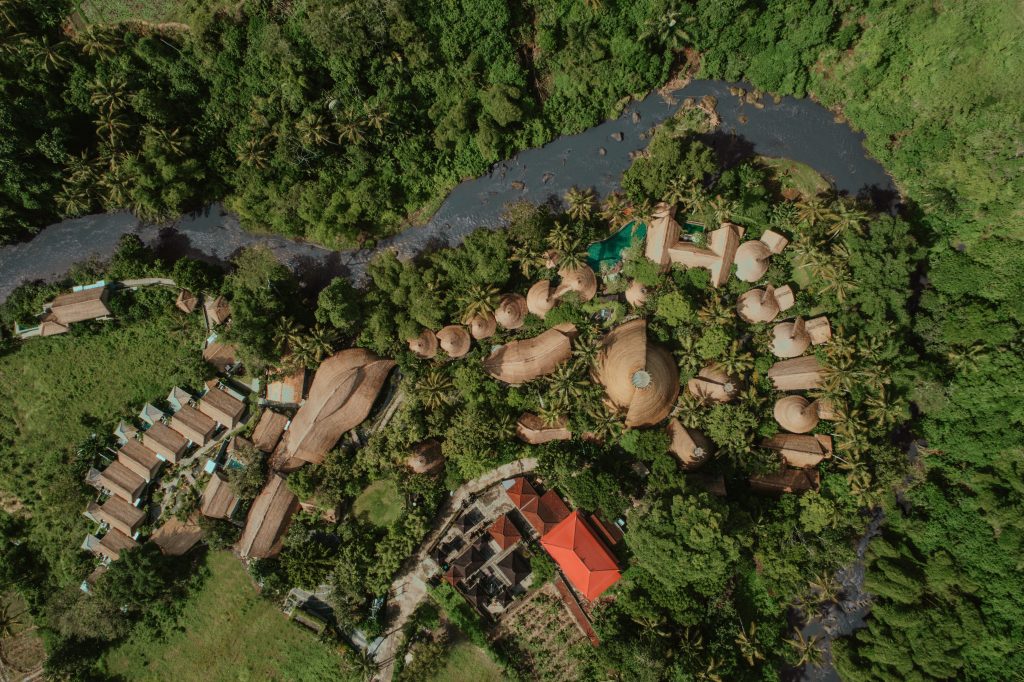
In Bali, water carries an equally profound significance, extending beyond physical bathing into spiritual life. Water purification rituals remain part of living Balinese culture, with melukat ceremonies traditionally associated with cleansing and renewal. At Fivelements Ubud, where the Ayung River flows beside the retreat, this relationship with water has influenced the experience since its beginning. Water therapies and purification rituals sit alongside movement, traditional healing and botanical practices within a broader understanding of physical, emotional and energetic wellbeing.
These traditions emerged independently, yet they reveal a shared human observation. Warmth can soften. Immersion can support and hold the body differently from land. Cold can awaken. Repetition can become ritual. And the environment in which bathing takes place can shape the experience as powerfully as the water itself. Modern terminology gives these practices names such as hydrotherapy, balneotherapy, thermal therapy and contrast bathing. Their cultural origins are far older.
What Is Hydrotherapy?
Hydrotherapy is the intentional use of water to support physical wellbeing, recovery or relaxation. It encompasses a wide spectrum of practices, from warm-water immersion and aquatic bodywork to mineral bathing, thermal pools, steam, cold-water immersion and alternating hot-and-cold experiences. Balneotherapy refers more specifically to bathing in thermal or mineral waters, while hydrothermal wellness often describes environments that combine water with variations in heat and cold.
The distinction matters because no single physiological response is called “the hydrotherapy effect”. A warm pool, mineral spring, cold plunge and contrast circuit place different demands on the body. Temperature, depth, duration, frequency, individual health and even the transition between environments all influence the experience.
This is also what makes water such an interesting wellbeing medium. It can be restorative or invigorating, still or dynamic, communal or deeply private. It can support movement and rehabilitation, create sensory calm, or become part of a deliberate cycle of exertion and recovery.
The Science of Immersion
The body behaves differently in water. Once immersed, hydrostatic pressure acts on the body, changing blood distribution and influencing cardiovascular function. Buoyancy reduces the effects of gravity, making movement feel easier and reducing mechanical loading. Temperature then adds another physiological signal. Warm water encourages peripheral vasodilation as the body dissipates heat. Heart rate and circulation respond accordingly, producing effects that researchers are investigating in relation to cardiovascular and metabolic health.
A 2026 systematic review and meta-analysis of hot-water immersion in healthy adults found acute changes including increased heart rate and reductions in diastolic and mean arterial blood pressure, while repeated immersion was associated with a modest reduction in resting heart rate. The authors also emphasised that the broader evidence remains incomplete and that further research is needed before drawing wider conclusions.
That nuance is important. Traditional bathing practices do not suddenly become valuable because science validates every historical belief attached to them. Rather, contemporary research helps us understand more precisely what happens when the human body interacts with water, heat and temperature change. The conversation is shifting from folklore versus science to something more interesting: why certain practices have endured for centuries and how modern evidence helps explain their effects.
Water and the Nervous System
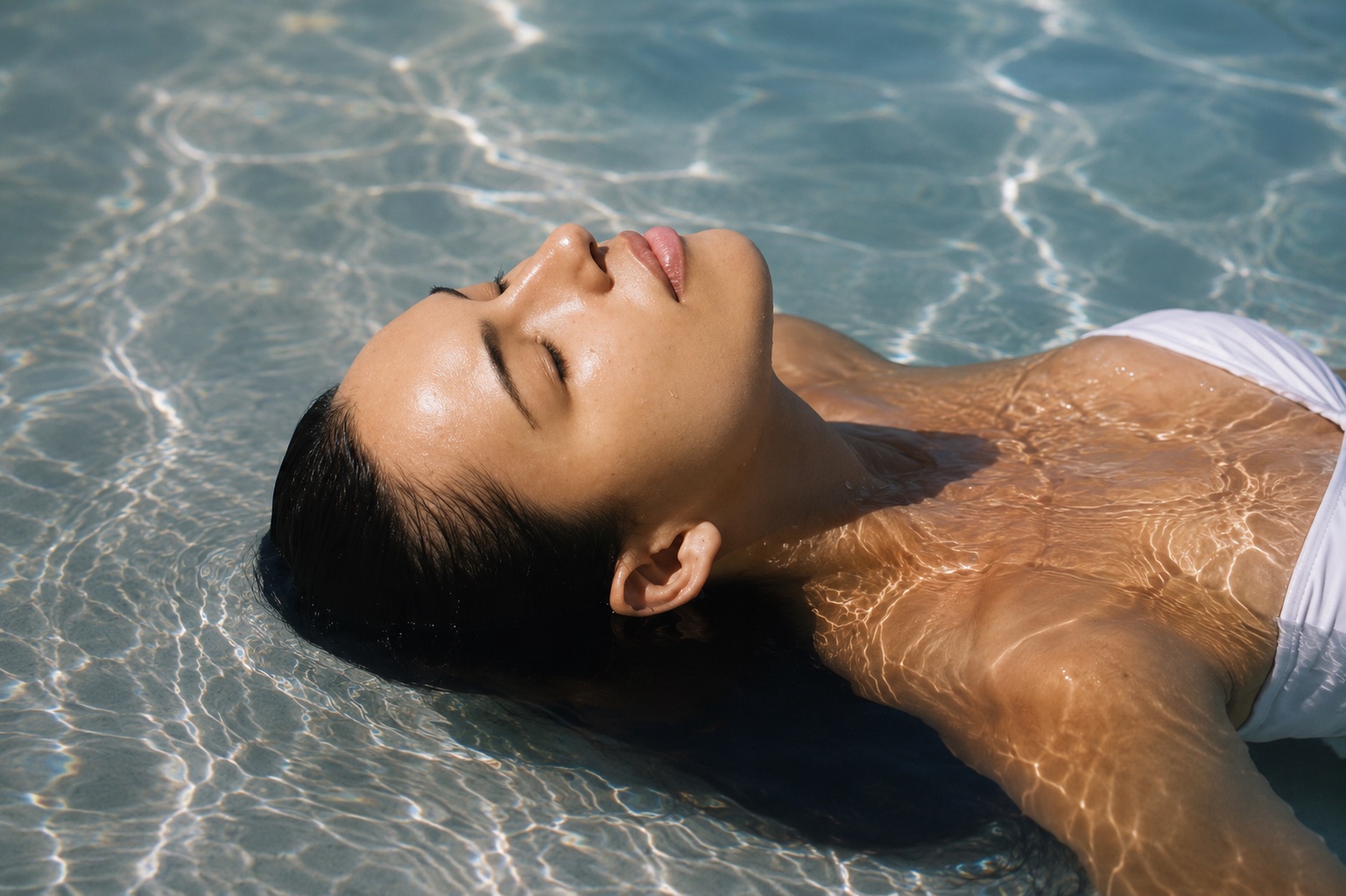
One reason people often describe bathing as deeply calming lies in the relationship between immersion, sensory input and the autonomic nervous system. Water surrounds the body continuously. Pressure is distributed across the skin. Sound changes beneath the surface. Movement slows. In warm environments, muscles often feel more willing to release. The body receives a very different set of sensory signals from those experienced while moving through ordinary daily life.
Research into autonomic responses to immersion and passive heating suggests that these effects are complex and highly dependent on the form of exposure. Water immersion itself can influence cardiac autonomic activity, while different heating protocols can produce different sympathetic and parasympathetic responses. This is why responsible hydrothermal practice considers temperature, duration and the individual rather than assuming that more heat or more cold is inherently better.
There is also growing research around thermal bathing and stress. A recent systematic review and meta-analysis of balneotherapy found evidence of short-term reductions in cortisol among healthy individuals, particularly those experiencing higher levels of stress, although the authors noted variation across studies and protocols. Perhaps this helps explain something bathers have known intuitively for generations. Entering water can create a boundary between one state and another. The body is still the same body. Yet its environment has changed completely.
Warmth, Sleep and the Art of Letting Go
Warm bathing has another long-standing association: sleep. The evening bath appears in domestic traditions worldwide, often without any discussion of biomarkers or thermoregulation. It simply feels natural to warm the body, slow down and prepare for rest.
Science is beginning to explore this relationship more closely. A 2026 meta-analysis of randomised trials examining water-immersion thermotherapy found improvements in total sleep time and sleep efficiency, though not every sleep measure improved significantly. Earlier reviews of hydrotherapy and balneotherapy have similarly suggested potential benefits for sleep quality, while highlighting the need for more rigorous research.
This is particularly relevant to contemporary wellness. Restoration is increasingly understood as an active component of health, not simply the absence of activity. Thermal experiences can create a transition between stimulation and rest, movement and stillness, exertion and recovery. The value may lie not in any single pool, sauna or bath, but in how these experiences are sequenced and integrated into a wider rhythm of wellbeing.
Contrast Bathing and the New Culture of Recovery
At the other end of the thermal spectrum lies one of wellness culture’s most visible contemporary practices: cold exposure. Cold plunges have moved from athletic recovery rooms into hotels, health clubs, wellness resorts and private homes. Yet contrast bathing, the deliberate movement between heat and cooling, has a much longer history than its recent popularity might suggest. Current research offers a measured picture. Systematic reviews have found that contrast water therapy can support certain aspects of recovery after strenuous exercise, particularly compared with passive rest, while evidence does not consistently show it to be superior to every other established recovery method. Cold-water immersion has also demonstrated benefits for some measures of soreness and short-term physical recovery.
This more nuanced understanding is shaping the wellness industry. The Global Wellness Institute has noted a shift away from viewing extreme cold as an endurance challenge and towards more considered thermal cycles using a spectrum of cooling experiences. Its 2026 research points towards complete hydrothermal circuits in which heat, water, cooling and recovery are experienced as a sequence rather than isolated interventions.
That idea feels inherently Fivelements. Wellbeing rarely comes from pursuing one state indefinitely. It emerges through responsiveness: exertion and recovery, warmth and cooling, movement and stillness, stimulation and rest. Water makes those transitions tangible.
The Return of Thermal Wellness
The renewed interest in bathing also reflects something broader happening within wellness travel. Guests are becoming more interested in experiences they can participate in rather than simply receive. Thermal bathing lends itself naturally to this shift. A guest can move through a hydrotherapy circuit at their own pace, learn how different temperatures affect them, share the experience socially, or use it as quiet personal time.
Urban bathhouses are expanding. Sauna culture has found new audiences. Hotels are reconsidering the role of hydrothermal facilities. Contrast therapy has entered mainstream wellness vocabulary. According to the Global Wellness Institute, hydrothermal bathing is moving from a secondary hospitality amenity towards an anchor wellness experience in its own right.
What appears new, however, is often a reinterpretation of something very old.
The bathhouse has always been more than somewhere to bathe. It has been a meeting place, a place of ritual, recovery and conversation. Mineral springs became destinations because people travelled specifically to experience their waters. Thermal wellness once sat naturally at the intersection of health, culture and social life. Its return therefore speaks not only to our fascination with recovery technology, but to a desire for wellbeing experiences that feel physical, sensory and human.
When Water Becomes Place
Water acquires another dimension when it belongs to the landscape around it. A natural spring carries the geology it has travelled through. A river reflects the ecology and culture built around its banks. Sea water, mountain water and thermal mineral water all create different relationships between wellbeing and place.
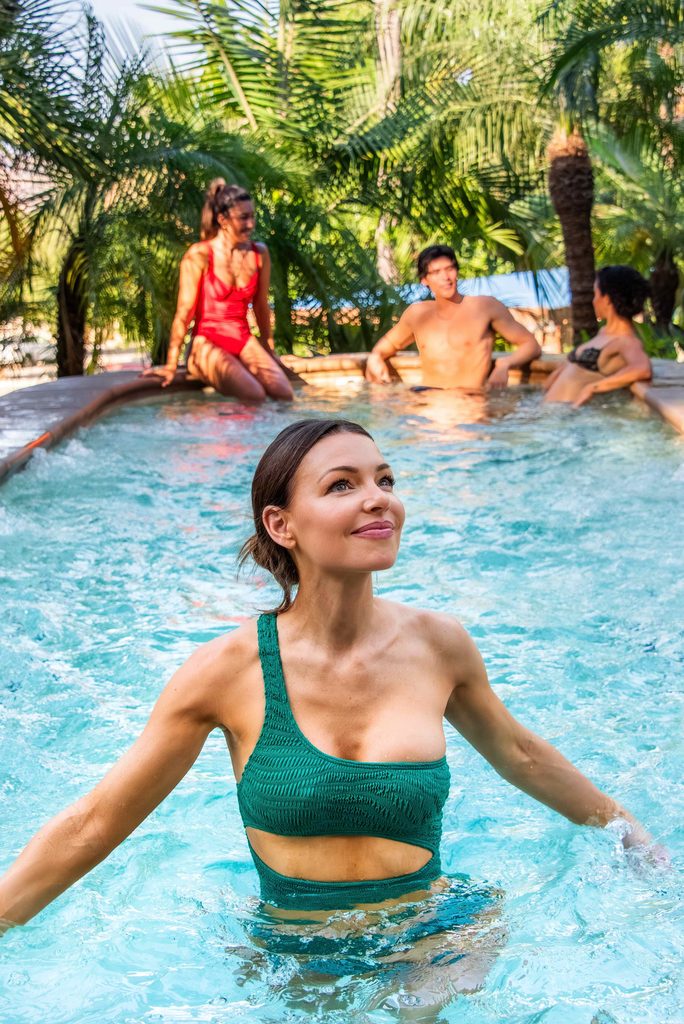
Few destinations illustrate this better than Glen Ivy Hot Springs in Southern California. Within the wider GOCO Hospitality ecosystem, Glen Ivy represents more than 160 years of bathing heritage. Natural mineral springs drew visitors in the nineteenth century, while the valley itself had an even older association with Indigenous communities who regarded its waters as spiritually significant. Today, Glen Ivy spans 14 acres, with historic mineral baths alongside its extensive pool and wellness experiences. Its enduring appeal illustrates an important principle: authentic wellness does not always need to be invented. Sometimes it needs to be understood, protected and thoughtfully brought forward.
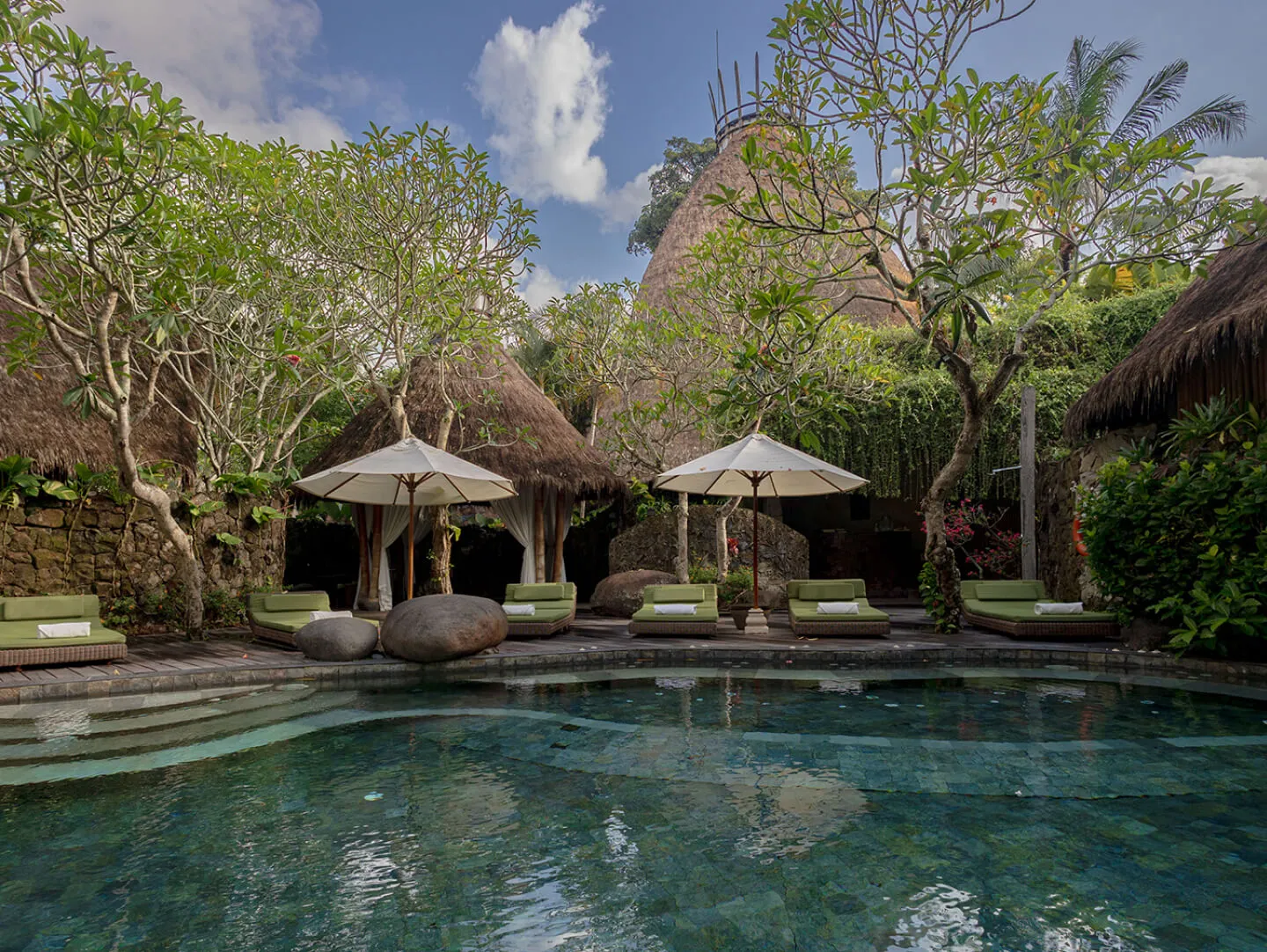
At Fivelements Ubud, that same idea takes a different form. Here, the defining water source is not a thermal spring but the sacred Ayung River. The retreat’s dedicated water healing pool is designed for Watsu-inspired aquatic bodywork, where buoyancy, gentle movement and practitioner-guided touch allow the body to release effort in ways that are difficult to recreate on land. Different landscapes. Different traditions. Different practices. The connecting idea is water as a living part of the wellbeing experience, not a decorative backdrop.
From Ritual to Recovery
The most compelling future for hydrotherapy may lie in its ability to bridge worlds that wellness has sometimes treated separately.
Water can be scientific without losing its symbolism. A contrast circuit can support physical recovery while also becoming a mindful ritual. Warm immersion can influence cardiovascular physiology while creating an experience of stillness. Aquatic bodywork can use the measurable properties of buoyancy and hydrostatic pressure while offering something deeply sensory and emotional.
Balinese water purification carries cultural and spiritual meaning. A mineral spring carries geological history. A modern hydrotherapy circuit may incorporate precise temperature control and contemporary recovery science. None needs to diminish the other. At Fivelements, this coexistence is central to our philosophy. Knowledge can deepen tradition rather than replace it. Innovation can make an ancient practice more relevant while respecting its origins. Nature provides the element; human understanding determines how thoughtfully we engage with it.
A More Intelligent Relationship With Water
As hydrotherapy becomes more visible, its future will also depend on how responsibly we use water. This is an important evolution within thermal wellness. Water is simultaneously a wellbeing resource and one of the planet’s most precious natural resources. The Global Wellness Institute has identified water conservation, reuse, and smarter hydrothermal design as a growing priority for the spa and hospitality industries.
The future of water-based wellness therefore cannot be defined simply by larger pools, colder plunges or more elaborate thermal circuits. It calls for something more considered: environments designed around purpose, appropriate temperature, intelligent sequencing, responsible consumption and a clear understanding of what each experience is intended to support. This also moves hydrotherapy away from spectacle and back towards its essential character. Water does not need to perform for us to experience its effects. Sometimes the most powerful experience is simply entering it.
Returning to an Element We Have Always Known
Every generation seems to rediscover water. We give its practices new names. We measure new physiological markers. We design increasingly sophisticated environments around temperature, immersion and recovery. Yet beneath that progress lies a relationship that predates wellness science entirely. Humans have always gathered beside water. We have travelled to springs, immersed ourselves after exertion, entered rivers for purification, used heat to soften the body and cold to awaken it. We have understood, long before we could explain precisely why, that changing our relationship with water can change our internal state.
Science now allows us to explore those responses with greater precision. Tradition reminds us that wellbeing is also shaped by ritual, environment, culture and meaning. For Fivelements, the future lies in bringing those perspectives together. Not in choosing between ancient wisdom and contemporary understanding, but in allowing knowledge to refine what human beings have intuitively practised for centuries. Water was never simply part of wellness. In many cultures, it was where wellness began.