Why Living Well Matters More Than Living Longer
There was a time when longevity was measured simply by the number of years we lived. Medical advances extended life expectancy, breakthroughs in science transformed healthcare, and longer lives became one of humanity’s greatest achievements. Yet as societies around the world continue to enjoy longer lifespans than previous generations, a new and more thoughtful conversation has emerged which asks not only how long we live, but how well we live.
Today, longevity has become one of the defining movements shaping wellness, hospitality and healthcare alike. Researchers are exploring the biology of ageing with unprecedented depth. Destinations around the world are investing in wellness infrastructure. Travellers are seeking experiences that leave them feeling healthier, more energised and more connected than when they arrived. Homes are being designed to support wellbeing, and hospitality is evolving beyond comfort to become an active contributor to lifelong health.
Yet despite the growing attention surrounding longevity, its essence remains remarkably simple. Longevity is shaped through the rituals that become part of everyday life. It lives in the meals we prepare with care, the walks we take beneath the trees, the conversations that nourish our spirit, the quality of our sleep, the moments we pause to breathe deeply, and the environments that invite us to slow down rather than hurry through them.
At Fivelements, this understanding has guided our philosophy from the very beginning. Long before longevity became one of the world’s fastest-growing wellness conversations, we believed that true wellbeing emerges through balance between body and mind, activity and rest, people and nature, tradition and innovation. Rather than pursuing wellness as a destination, we see it as a way of living that unfolds through intentional choices, meaningful experiences and environments designed to support human flourishing.

A New Chapter in the Story of Longevity
The modern understanding of longevity represents one of the most significant shifts in contemporary wellness. For many years, healthy ageing was largely associated with medical care and disease prevention. While these remain essential, today’s perspective has expanded considerably. Longevity is now understood as an integrated approach that embraces physical vitality, emotional resilience, cognitive wellbeing, social connection and environmental harmony as equally important contributors to a fulfilling life.
This broader definition reflects something deeply human. Health is rarely experienced in isolation. The way we feel each day is influenced not only by our physical condition but also by our surroundings, our relationships, our routines and our sense of purpose. Wellbeing results from many interconnected elements working together.
Researchers describe this through the concept of healthspan: the number of years we spend living with vitality, independence and a high quality of life. While lifespan measures the passage of time, healthspan celebrates the richness of the experiences within it. It encourages us to consider how we move, think, create, connect and continue discovering throughout every stage of life.
This perspective resonates particularly strongly within hospitality, where the spaces we inhabit can profoundly influence how we feel. A thoughtfully designed environment encourages deeper rest. Time spent immersed in nature naturally slows the rhythm of daily life. Nourishing cuisine provides more than sustenance; it becomes an expression of care. Water calms the senses, movement restores energy, and meaningful human connection reminds us that wellbeing has always been shared as much as it has been personal.
Rather than treating these as separate experiences, the future of longevity invites us to see them as part of one continuous way of living.
Wellness Is Returning to Its Natural Rhythm
Although longevity feels like a modern concept, many of its underlying principles have been practised across cultures for centuries. Communities throughout history instinctively understood that people thrive when they remain closely connected to nature. Daily movement was woven naturally into life. Meals were prepared using seasonal ingredients grown close to home. Water was valued not only for survival but for restoration, gathering and ritual. Time was intentionally created for reflection, celebration and connection with family and community.
These practices were never separated into categories labelled nutrition, mindfulness or recovery. They formed part of a way of life that recognised wellbeing as something holistic and deeply interconnected.
Modern science is now providing fascinating insights into why these traditions remain so enduring. Studies continue to demonstrate the positive influence of restorative sleep, regular movement, nutrient-rich diets, social connection, time in natural environments and effective stress management on long-term health and healthy ageing. Rather than replacing ancient wisdom, contemporary research validates many of the practices that have supported human wellbeing for generations.
Perhaps this explains why today’s wellness movement feels less like the discovery of something entirely new and more like the rediscovery of something we have always known.
Within this rediscovery lies an important shift in perspective. Wellness is becoming about creating sustainable habits that enrich daily life. Small moments of intention often have a remarkable cumulative effect. A morning walk beneath the trees, an afternoon spent immersed in thermal waters, an evening meal shared without distraction or a quiet meditation before sunrise may seem simple in isolation. Together, they create the rhythm through which vitality is cultivated over time. This rhythm sits at the heart of the Fivelements philosophy.
Living Well Begins with the Environment Around Us
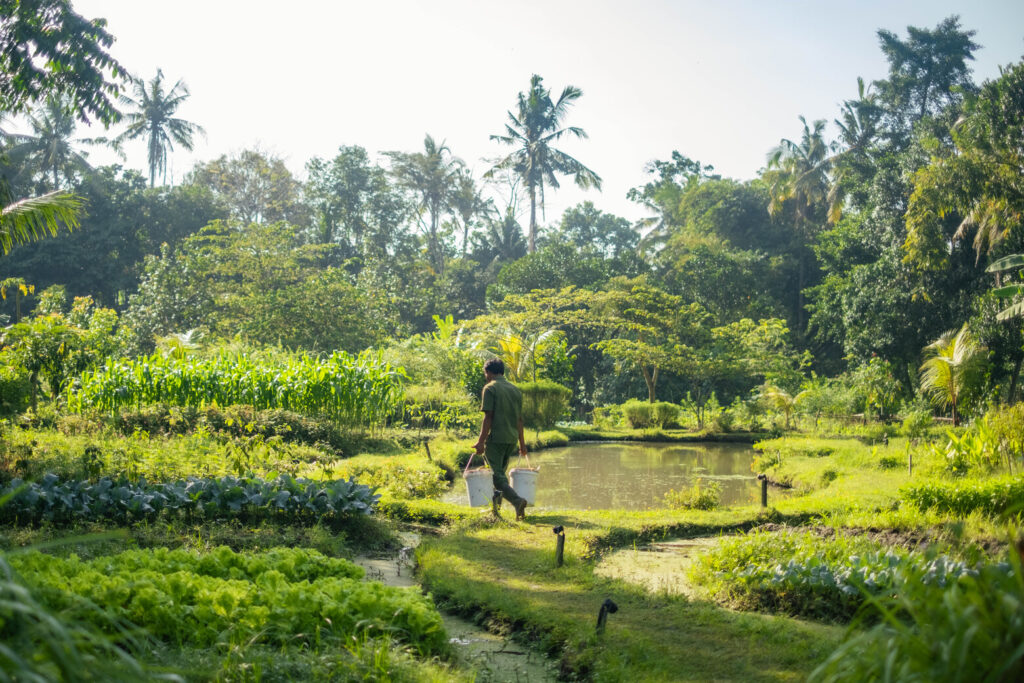
One of the most overlooked aspects of longevity is the profound influence of place. Because every environment shapes our physical and emotional wellbeing. Natural light influences our daily rhythms. Fresh air invigorates the body. Flowing water calms the mind almost instinctively. Green landscapes invite movement while reducing the mental fatigue often associated with busy urban living. Even the materials, textures and sounds surrounding us contribute to how we feel throughout the day.
Architecture, therefore, becomes more than an aesthetic expression. It becomes a silent partner in wellbeing. This understanding has inspired a growing movement towards biophilic design, in which buildings are thoughtfully designed to strengthen our relationship with nature. Open spaces encourage natural ventilation. Gardens become places of reflection rather than decoration. Water features introduce movement and tranquillity. Interiors prioritise natural materials that create warmth, comfort and a sense of grounding.
At Fivelements, this relationship between people and place has always been fundamental to our approach. Rather than designing spaces that simply impress visually, we believe environments should gently support the body’s natural rhythms. They should encourage slower mornings, deeper conversations, restorative sleep, and moments of stillness that are often becoming rare in modern life. Every pathway, garden, pavilion and gathering space is intended to foster a sense of ease, inviting guests and residents alike to reconnect not only with nature, but with themselves.
This philosophy extends beyond our retreats into our vision for residential living, where wellbeing becomes part of everyday life. A home designed around wellness supports healthy habits almost effortlessly. It encourages movement through beautiful outdoor spaces, offers opportunities for community connection, integrates nature into daily routines and creates an environment where balance feels intuitive.
In this way, longevity is no longer confined to a wellness programme or a temporary retreat. It becomes woven into the places where life unfolds each day. As our understanding of healthy ageing continues to evolve, one truth becomes increasingly clear: where we spend our time matters just as much as how we spend it. And among all the natural elements that shape our wellbeing, perhaps none has accompanied humanity’s pursuit of health quite as profoundly as water.
Water: Humanity’s Original Wellness Ritual
Long before wellness centres, medical spas and longevity clinics became part of our modern vocabulary, people travelled great distances in search of water. Across every continent, cultures recognised its extraordinary ability to restore body and mind.
The Romans built elaborate bathhouses where thermal waters became places of social connection as much as physical renewal. In Japan, generations have gathered in natural onsen nestled among forests and mountains, embracing hot springs as an essential part of everyday wellbeing. Across Scandinavia, the rhythm of alternating heat and cold has long been celebrated as a ritual that invigorates the body and sharpens the senses. In Bali, sacred water ceremonies continue to represent purification, renewal and spiritual harmony, connecting people to traditions that have endured for centuries.
While each culture expresses these rituals in its own way, they share a common understanding: water possesses a remarkable ability to restore equilibrium.
Today, modern science continues to deepen our appreciation of hydrotherapy. Warm water encourages muscles to soften, circulation to improve and the nervous system to settle into a calmer state. Mineral-rich thermal waters have long been valued for their naturally occurring elements, while contrast bathing, alternating between warm and cool temperatures, has gained recognition for supporting recovery, resilience and overall vitality.
Yet perhaps the greatest gift of water is less measurable – water invites us to slow down. The moment we step into a warm pool, listen to the sound of flowing streams or immerse ourselves in the sea, our awareness naturally shifts away from constant stimulation towards quiet presence. Breathing becomes slower, muscles release unnecessary tension, thoughts settle and time itself seems to move differently.
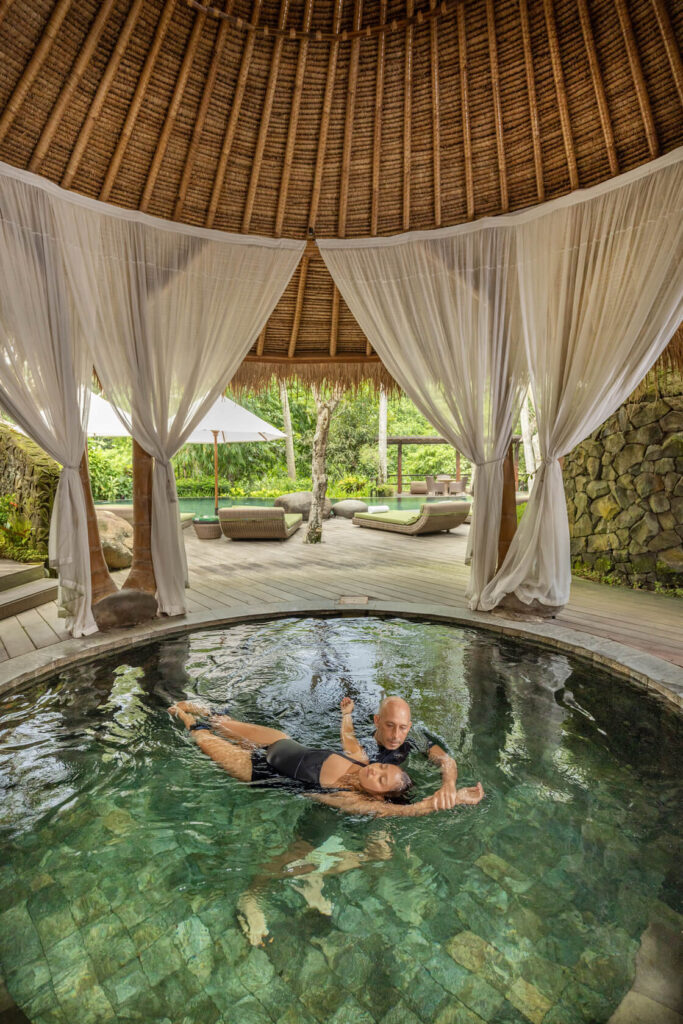
These moments of restoration are becoming valuable within contemporary life, where opportunities for uninterrupted stillness are often rare. At Fivelements, water has always been far more than an amenity. It is one of the most enduring expressions of our philosophy. Whether experienced through hydrotherapy, sacred bathing traditions, thermal waters or the simple presence of flowing rivers and reflective pools, water becomes an invitation to reconnect with our natural state of balance. It reminds us that healing is not always something we pursue through effort. Sometimes it begins by allowing ourselves the space simply to receive.
Nourishment as a Daily Practice
Food has always been one of humanity’s most profound expressions of care. It nourishes the body, brings people together and reflects the landscapes, seasons and cultures from which it comes. It is also recognised as one of the foundations of healthy ageing, supporting everything from energy and cognitive function to metabolic health and overall vitality. Yet nourishment extends far beyond nutritional values alone.
The experience of preparing food with intention, sharing meals with loved ones and eating slowly enough to appreciate flavour, texture and aroma contributes to wellbeing in ways that cannot always be measured. These moments create connection not only with those around us, but also with ourselves.
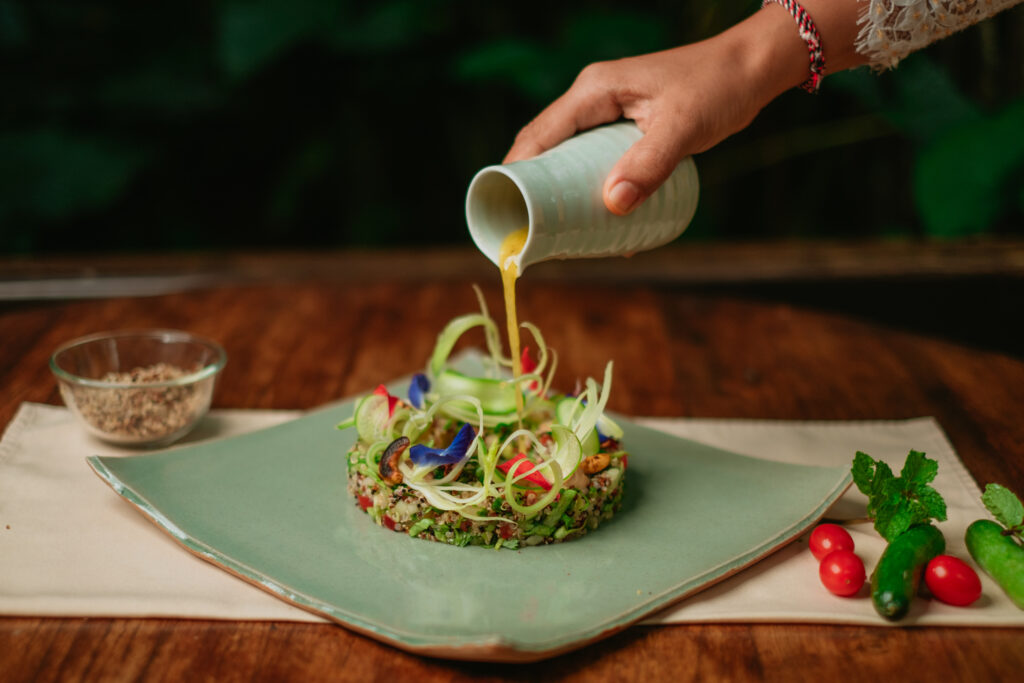
At Fivelements, our philosophy of plant-forward wellness cuisine reflects this broader understanding. Rather than viewing food through the lens of restriction or rigid rules, we celebrate its ability to inspire vitality while remaining deeply enjoyable. Seasonal ingredients, vibrant flavours and thoughtfully balanced dishes demonstrate that healthy eating can be nourishing and abundant, honouring the natural diversity of the ingredients themselves.
This approach mirrors the wider philosophy of longevity. Health is cultivated through consistency rather than perfection. It grows through choices that are sustainable, enjoyable and capable of becoming part of everyday life. When wellbeing feels natural, it has the greatest opportunity to flourish over time.
Movement That Supports Life
The human body has evolved to move. Movement strengthens muscles and bones, supports cardiovascular health, improves mobility and contributes to emotional wellbeing. Equally importantly, it reminds us that vitality is something we experience. Yet movement need not always be defined by intensity.
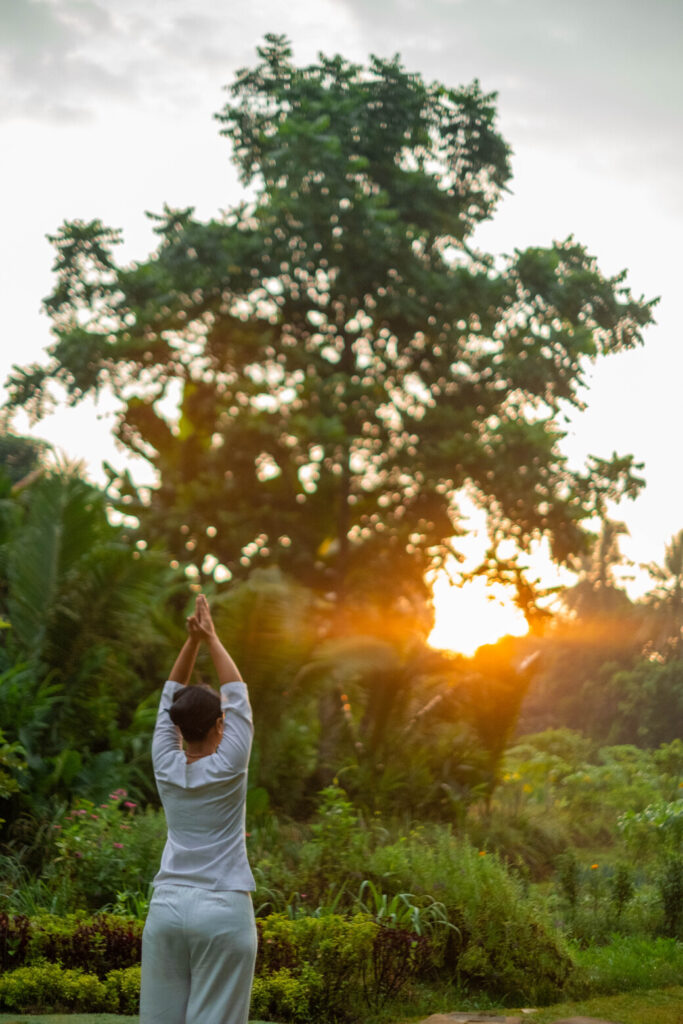
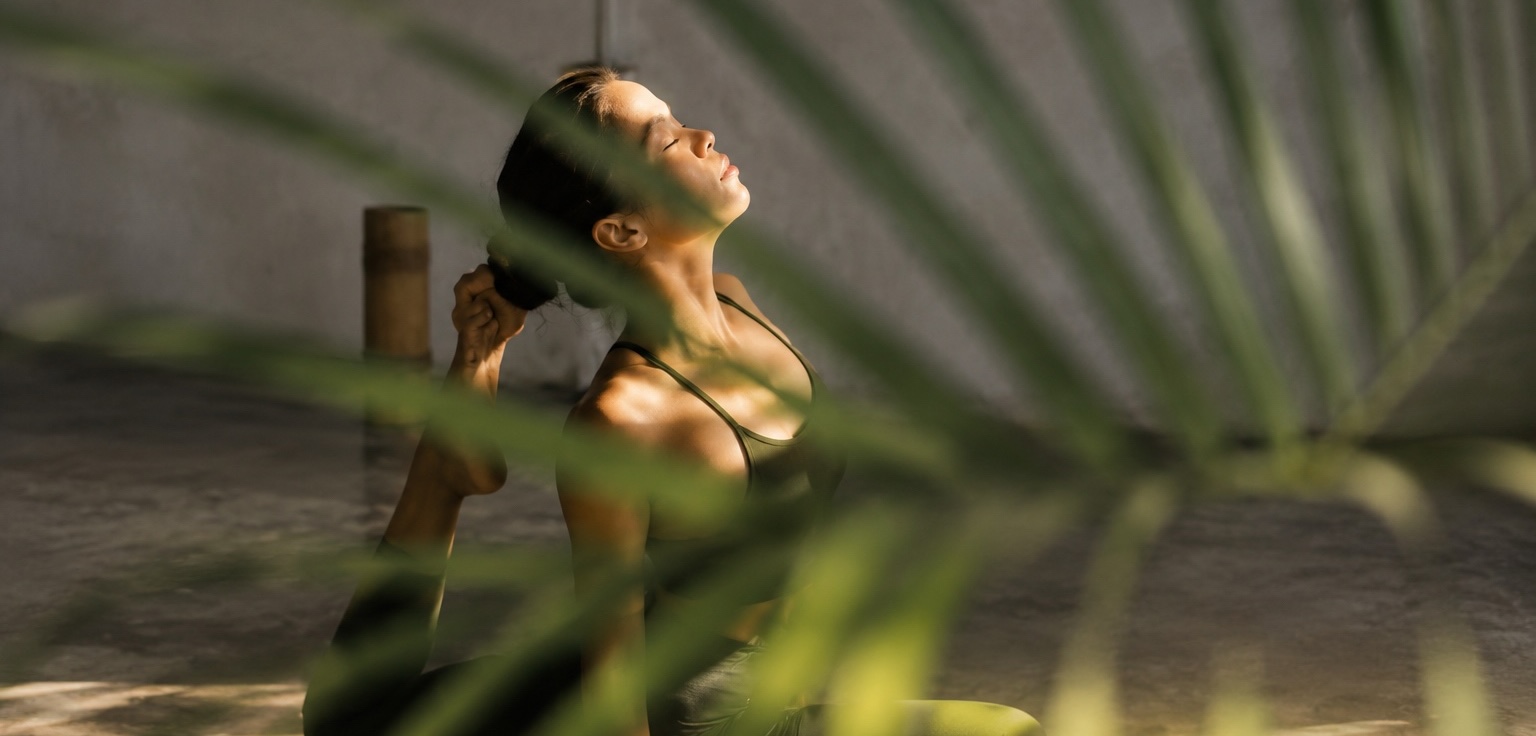
A quiet morning yoga practice as the sun rises. A walk through tropical gardens. Swimming in open water. Gentle stretching after a long journey. Exploring a new destination on foot. Dancing, gardening or simply choosing the stairs instead of the lift. Each contributes to the body’s remarkable ability to remain adaptable, resilient and energised throughout life.
This perspective reflects an important evolution in how movement is understood within the longevity conversation. Rather than existing solely as exercise, movement becomes an expression of living fully. It encourages exploration, curiosity and confidence while strengthening our relationship with the places we inhabit.
Hospitality plays an important role in supporting this natural rhythm. Beautiful walking trails encourage spontaneous exploration. Yoga pavilions open onto gardens that inspire mindful practice. Open-air spaces invite movement throughout the day rather than confining activity to dedicated fitness facilities. When environments are intentionally designed to encourage gentle, enjoyable movement, healthy habits become part of daily life almost effortlessly.
The Quiet Power of Rest
If movement represents vitality in action, rest represents vitality renewed. In many ways, restoration is one of the defining themes of modern wellbeing. As our understanding of longevity evolves, attention is being given to the body’s extraordinary ability to repair, regenerate and adapt during periods of rest.
Quality sleep supports memory, learning and physical recovery. Moments of stillness create space for emotional processing and creative thinking. Time spent in nature allows the mind to settle into a calmer rhythm, while meditation and mindful breathing encourage deeper awareness of body and mind.
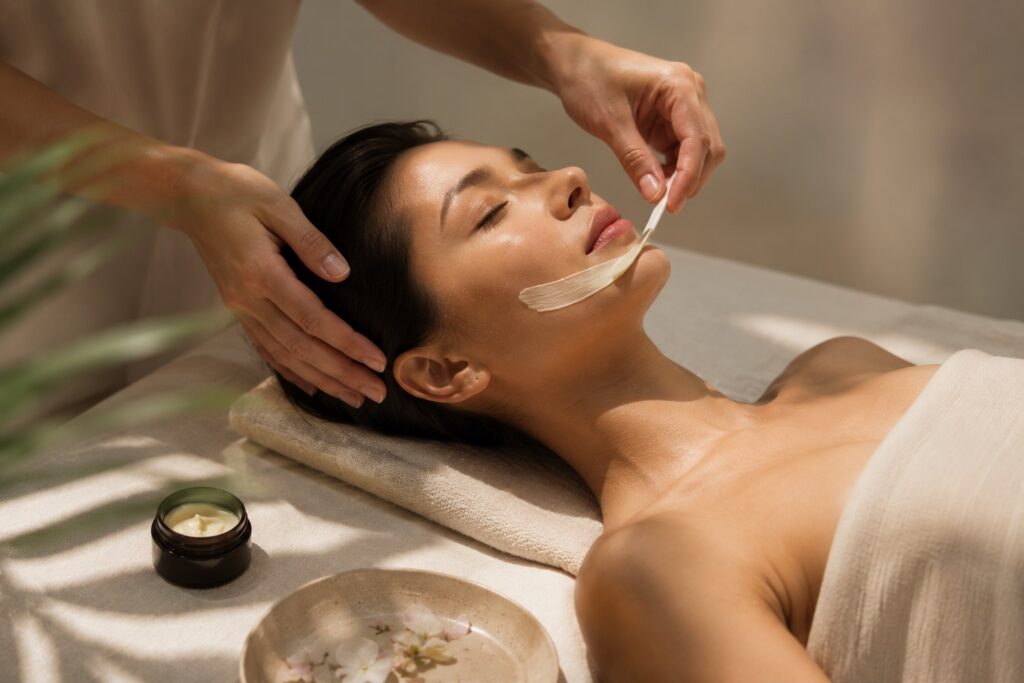
These practices do not exist in opposition to productivity. Instead, they provide the foundation that allows us to engage more fully with every aspect of life. At Fivelements, restoration is thoughtfully woven throughout the guest experience. It can be found in peaceful gardens where birdsong replaces background noise, in treatment spaces designed to soothe the senses, in architecture that welcomes natural light and gentle breezes, and in moments intentionally left unscheduled so that each individual can simply be present.
Luxury, in this sense, is not defined by excess; it is expressed through spaciousness, silence and time that belongs entirely to oneself. These qualities are becoming so precious within a fast-moving world, reminding us that some of the most valuable experiences are also the simplest.
The Wellbeing We Create Together
Although longevity is often discussed in deeply personal terms, it has always been profoundly social. Throughout history, thriving communities have shared common characteristics that extend beyond nutrition or physical activity – they gather regularly and celebrate together, they support one another through different stages of life. They pass knowledge between generations and create a sense of belonging that enriches everyday living.
Meaningful relationships contribute not only to happiness but also to resilience, purpose and emotional wellbeing. Shared experiences encourage us to slow down, listen more carefully and appreciate the richness of life beyond individual achievement. This understanding shapes the way we think about hospitality.
A retreat is more than a collection of beautiful spaces. It is a place where conversations unfold naturally around a sharing table, where strangers become friends through shared experiences, where learning happens through connection and where moments of genuine human interaction remain long after the journey has ended.
The same philosophy extends naturally into residential living. Communities designed around wellness encourage neighbours to meet through gardens, walking paths, shared dining experiences and thoughtfully curated programmes that celebrate health, culture and lifelong learning. In doing so, they transform everyday living into something richer, creating environments where wellbeing is strengthened not only by the spaces themselves but also by the relationships that grow within them. Longevity, ultimately, has never been solely about the individual. It is also about the communities we build, the environments we create and the lives we enrich together.
Hospitality as a Catalyst for Lifelong Wellbeing
Hospitality has always been about creating memorable experiences, yet its role is evolving in meaningful ways. The places we choose to visit are also the places where we reconnect with ourselves. A journey becomes an opportunity to establish healthier routines, discover new perspectives and experience a different pace of living. Rather than simply offering a change of scenery, thoughtful hospitality can inspire lasting habits that continue long after a guest returns home.
This evolution reflects a broader understanding of wellness. People are no longer seeking moments of escape alone; they are looking for experiences that enrich everyday life. A retreat may introduce the joy of mindful movement, the restorative qualities of hydrotherapy or the simple pleasure of sharing nourishing meals around a communal table. These experiences often become gentle reminders that wellbeing does not belong to a particular destination. It is something we carry with us.
For this reason, the most meaningful hospitality is never defined solely by luxurious surroundings. It is shaped by the feeling a place leaves behind. A beautifully designed environment encourages calm long after we have departed. A conversation with a practitioner may inspire a new way of caring for ourselves. A morning spent immersed in nature reminds us how restorative the natural world can be. These moments often appear quietly, yet they remain with us because they reconnect us with something deeply familiar. Hospitality therefore becomes an invitation to rediscover the rhythms that allow us to flourish.
A Philosophy That Extends Beyond the Retreat
At Fivelements, we believe that wellbeing should not exist only within the boundaries of a retreat. While time away provides an opportunity to pause and reset, the true value of wellness lies in its ability to become part of everyday living. The choices we make each morning, the spaces we inhabit, the relationships we nurture and the rituals we return to shape our health far more profoundly than any single experience ever could.
This belief has guided the evolution of Fivelements from a retreat destination into a broader vision for living well. Our retreats create immersive environments where guests can reconnect with themselves through movement, hydrotherapy, mindfulness, nourishing cuisine, healing traditions and meaningful human connection. Our residences extend these same principles into daily life, creating communities where wellness is naturally woven into the home experience. Future destinations will continue to build upon this philosophy, bringing together thoughtful design, hospitality and longevity within environments that support wellbeing across every stage of life.
Although each destination is unique, they are united by the same intention. To create places where people feel better because of how they live, not simply because of where they stay.
The Five Elements of Living Well
Living well is rarely the result of a single decision or a defining moment. Rather, it emerges through the continual interplay of the things that shape our lives every day. The places that surround us, the knowledge that guides our choices, the beauty we create and experience, the curiosity that encourages us to evolve, and the sense of balance that allows everything to exist in harmony, all influence the way we feel, the way we connect and ultimately the way we live.
It begins with nature. Long before wellbeing became an industry, the natural world demonstrated how health is sustained through rhythm, diversity and renewal. Time spent outdoors, the restorative qualities of water, seasonal nourishment and landscapes that invite movement remind us that vitality is not something we manufacture; it is something we reconnect with.
As our understanding deepens, knowledge gives us the confidence to care for ourselves with greater intention. Ancient healing traditions and modern science are often viewed as separate conversations, yet together they offer a richer understanding of what enables us to thrive. Each generation builds upon the wisdom of the last, allowing wellbeing to continue evolving while remaining rooted in timeless principles.
Knowledge alone, however, is only the beginning. It is through artistry that wellbeing becomes something to be felt rather than simply understood. Thoughtful architecture, beautifully composed spaces, nourishing cuisine, meaningful rituals and heartfelt hospitality transform knowledge into lived experience. Every detail is intentionally crafted to engage the senses, evoke emotion and create an environment where slowing down feels effortless. When beauty is guided by purpose, it has the power to inspire presence, deepen connection and leave a lasting impression long after the moment has passed.
Living well also asks us to remain open to possibility. As our needs change throughout life, so too should the ways we care for ourselves. Curiosity encourages us to embrace new ideas, discoveries and experiences, allowing innovation to enrich our understanding of wellbeing while remaining respectful of the enduring wisdom that continues to inspire it.
When these influences come together, something remarkable begins to happen. Health no longer feels like a collection of individual practices, but as a natural state of balance. We become more connected to ourselves, more present in our relationships and more aware of the environments that allow us to flourish. Longevity is no longer measured simply by time, but by the richness, vitality and sense of harmony we experience throughout our lives.
Perhaps this is what living well has always meant – creating the conditions in which people, nature and purpose exist in balance, allowing wellbeing to unfold as naturally as life itself.
Looking Ahead: The Future of Longevity
As longevity continues to shape the future of wellness, its greatest opportunity may not lie in discovering something entirely new, but in bringing together the best of many worlds. Advances in science are expanding our understanding of healthy ageing at a remarkable pace. At the same time, traditional healing practices continue to offer valuable insights into the importance of rhythm, community, nature and mindful living. Hospitality is becoming more intentional, architecture is placing greater emphasis on human wellbeing, and residential communities are beginning to prioritise health as an essential part of everyday life.
Together, these developments point towards a future where longevity becomes less about adding years and more about enriching the quality of those years. It is a future where wellness is integrated into the places we visit, the homes we live in and the communities we create. A future where nourishment is celebrated, movement is enjoyable, rest is valued and connection is recognised as one of life’s greatest sources of vitality.
This vision resonates deeply with the Fivelements philosophy. We believe the future of longevity is not defined by complexity, but by balance. It is found in environments that support our natural rhythms, experiences that encourage presence and relationships that foster belonging. It grows through thoughtful hospitality, restorative landscapes, meaningful rituals and a profound respect for ancient wisdom and contemporary understanding.
Most importantly, it reminds us that longevity is not a destination waiting somewhere in the future. It begins with the choices we make today. Every nourishing meal. Every restorative night’s sleep. Every walk beneath the trees. Every conversation that brings laughter, understanding or comfort. Every moment spent immersed in water, surrounded by nature or simply present with ourselves becomes part of a larger story.
A story measured not only by the years we are given, but by the vitality, purpose and connection with which we choose to live them. At Fivelements, we believe this is the true future of longevity: not simply living longer but living fully.