
Sleep Awareness: Why Rest Is the Foundation of True Wellbeing
In a world that celebrates productivity, sleep is often treated as optional, a luxury to be sacrificed in pursuit of achievement. Yet every March, World Sleep Day reminds us that rest is not indulgence. It is a biological necessity for repair and renewal.
Sleep is the most underestimated pillar of wellbeing. Without it, detoxification falters, hormones destabilise, digestion weakens, emotions intensify and clarity dissolves. With it, the body recalibrates, the nervous system softens and healing becomes possible.
At Fivelements Ubud, we often see the first true sign of restoration in our guests not in a treatment room or yoga pavilion, but in deep, uninterrupted sleep.
What Happens When We Sleep
Did you know that sleep is profoundly active? During deep sleep cycles, the brain undergoes a cleansing process, clearing metabolic waste through what scientists call the glymphatic system. Memory consolidates. Cells repair. Inflammatory markers decrease. Hormones regulating hunger, mood and stress begin to rebalance.
Chronic sleep deprivation, even mild, has been linked to increased cortisol, impaired glucose metabolism, weakened immunity and heightened anxiety. Over time, insufficient sleep contributes to cardiovascular strain, hormonal imbalance and digestive disruption.
Rest is not simply about feeling less tired. It is about cellular restoration and nervous system repair.
Why Modern Life Disrupts Sleep
Artificial light, constant stimulation, late-night screen exposure and elevated stress levels interfere with melatonin production – the hormone responsible for regulating our sleep-wake cycle.
When cortisol remains elevated late into the evening, the body interprets it as a signal to remain alert. The natural descent into rest becomes fragmented.
Many guests arrive in Bali carrying invisible exhaustion. Their minds are active even when their bodies are still. Often, the first nights are restless. Then gradually, as the nervous system begins to regulate, supported by nature, rhythm and intentional nourishment, sleep deepens.
The jungle background, the river sound, and the absence of urban noise create a natural circadian reset.

The Role of Herbal Teas in Supporting Sleep
Long before modern sleep supplements, traditional cultures turned to botanicals. Certain herbs have been shown to support relaxation and sleep quality by interacting gently with the nervous system. Chamomile contains apigenin, a compound that binds to brain receptors linked to calming effects. Lemon balm may reduce anxiety and promote relaxation. Passionflower has demonstrated potential in easing insomnia. Ginger and turmeric, though energising during the day, can also support digestion at night, preventing discomfort that often disrupts rest.
At Fivelements Ubud, we craft our herbal tea blends with intention. We select ingredients harvested from the Garden of Peace not only for flavour but for their soothing properties. A warm infusion before bed signals to the body that it is safe to slow down. It is a small ritual, but ritual shapes physiology.
Sleep, Detox & Hormonal Balance
Sleep is essential for detoxification. The liver performs much of its regenerative work during the night. Growth hormone, vital for tissue repair, is released predominantly during deep sleep. Without adequate rest, even the most carefully designed detox programme becomes incomplete.
This is why sleep forms an unspoken foundation of retreats such as Tri Kaya Parisudha. Detox is not only about what is removed from the body, but it is also about creating conditions where the body can perform its innate cleansing functions efficiently. And those conditions begin with rest.
Hormonal harmony also depends on sleep. Sleep duration and quality influence reproductive hormones, thyroid function, and appetite-regulating hormones like leptin and ghrelin. When sleep improves, clarity often follows, emotional resilience stabilises, cravings reduce and energy steadies.
Nature as a Sleep Regulator
Time in nature recalibrates circadian rhythms. Morning sunlight anchors melatonin production for the evening. Reducing artificial light after sunset allows the body’s internal clock to realign.
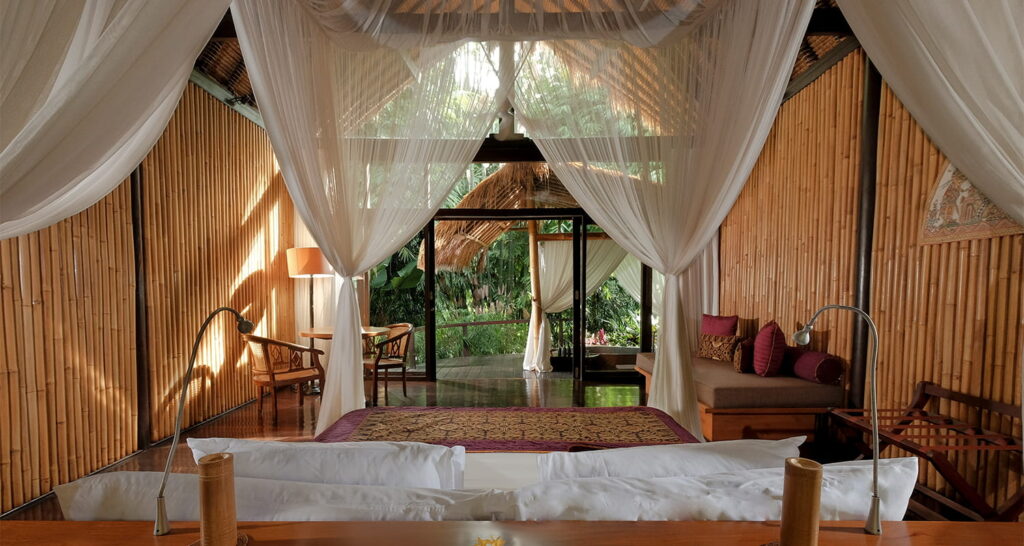
Ubud’s environment, surrounded by jungle and river, creates a natural contrast to overstimulated urban living. Many guests remark that after several nights immersed in this rhythm, they wake without an alarm because their bodies remember the timing. Rest becomes organic rather than forced.
Reclaiming Rest as Sacred
Sleep is wisdom. When we honour rest, we honour our biology and acknowledge that productivity does not equal vitality. We choose restoration over depletion.
This March, in alignment with global Sleep Awareness initiatives, we invite you to reconsider your relationship with rest. Perhaps it begins with a simple evening ritual, such as dimming lights earlier, setting screens aside, and preparing a calming herbal infusion.
Perhaps it unfolds more deeply through a retreat that supports nervous system regulation, mindful nourishment, and quieting the mind. At Fivelements Ubud, we believe sleep isn’t separate from healing; it is central to it.
If you feel called to reset your rhythm, restore your sleep and soften the pace of your life, consider a stay where rest is intentional.
From herbal tea rituals to nature-led immersion and integrated wellness programmes, your journey back to deep, restorative sleep can begin gently, one evening at a time.