BEST TIME TO VISIT BALI FOR WELLNESS, YOGA & DETOX RETREATS (2026 GUIDE)
Bali has long been known as a destination you can visit any time of year. Yet for those who arrive not just to explore, but to restore, the question of when to come takes on a deeper meaning. The island doesn’t simply change in temperature or rainfall; it shifts in energy, in rhythm, in how it invites you to experience it.
For travellers seeking a wellness retreat in Bali, or considering a yoga or detox journey in Ubud, timing becomes part of the experience itself. It shapes how you move, how you rest, and ultimately, how deeply you can reconnect with yourself. If you are beginning to explore Bali through a more intentional lens, you may also notice how the island has become recognised globally as a centre for healing, something explored in our article on how Bali has evolved into one of the world’s most powerful wellness destinations.
When Is the Best Time to Visit Bali for Wellness Travel?
The simplest answer is: there is no single “best” time, only the time that aligns with your intention.
Bali’s tropical climate has two primary seasons: the dry season from May to October and the green season from November to April. While many travel guides position the dry season as ideal, wellness travel invites a more nuanced perspective.
If you want to explore, move, and experience the island outwardly, the dry season offers clarity, structure, and energy. If you want to rest, recalibrate, and turn inward, the green season often provides a more supportive environment.
Choosing when to visit Bali for wellness is therefore less about avoiding rain and more about understanding what kind of experience you are ready for.
Green Season vs Dry Season: What’s Better for Yoga & Detox?
During the dry season, Bali feels expansive. Skies are clear, the air is lighter, and the island’s rhythm becomes more active. Mornings begin early, often with yoga sessions that energise the body, followed by days spent exploring temples, coastlines and cultural landmarks. This season supports movement and outward engagement, making it particularly appealing for those combining a yoga retreat in Bali with travel and exploration.
The green season offers a different experience altogether. Rain arrives in gentle, intermittent cycles, nourishing the land and deepening the island’s natural vitality. The landscape becomes intensely lush, the air softens and the overall pace slows. This subtle shift profoundly affects how the body and mind respond.
For those considering a detox retreat in Bali, the green season can be especially powerful. The quieter atmosphere reduces external stimulation, allowing the nervous system to settle more easily. The body becomes more receptive to plant-based nourishment, hydration and restorative practices. Many travellers notice improvements in sleep, digestion and emotional clarity within just a few days.
Nutrition also plays a central role. A plant-forward diet rich in fibre, herbs and whole foods supports the gut microbiome – a key factor in detoxification and overall wellbeing. If you are interested in how food directly influences this process, you may find it valuable to explore the relationship between plant-based nutrition and gut health, which forms an essential part of many wellness programmes in Bali.
Ultimately, neither season is better; they simply support different intentions. One expands outward. The other draws inward.
Ubud: The Heart of Wellness in Bali
Regardless of season, Ubud remains the centre of wellness in Bali. Surrounded by jungle, rivers and rice terraces, it offers an environment that naturally supports reflection and renewal.
Over the years, Ubud has become synonymous with:
Yoga and meditation retreats
Detox and cleansing programmes
Holistic healing practices
Plant-forward cuisine
Sacred rituals and ceremonies
Yet Ubud is defined not simply by what it offers, but by how it feels. There is a quiet depth here, a sense that beneath the movement of daily life, something more still is always present.
Visitors often find themselves drawn into this rhythm without effort. Morning begins more slowly. Meals become more intentional. Time stretches. In this space, practices such as meditation, yoga and mindful nourishment are no longer activities, but states of being.
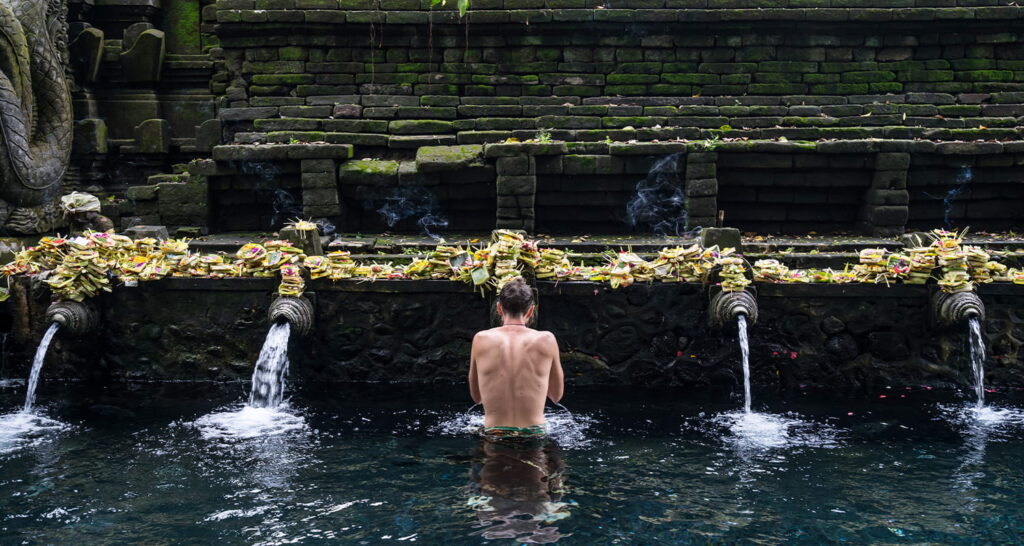
It is also where many encounter Balinese rituals for the first time, such as ceremonies that reflect the island’s deep spiritual heritage. Whether observed or participated in, these experiences often become moments of reflection and emotional clarity.
Planning a Wellness Retreat in Bali: What to Consider
As wellness travel continues to grow, Bali offers an increasing number of retreats, programmes and experiences. Choosing the right one depends not only on location, but on how deeply it aligns with your personal intention.
Some travellers seek a physical reset through improved digestion, better sleep, and more stable energy. Others are navigating emotional transitions, looking for clarity or a sense of direction. Many arrive without a clear goal, knowing only that they need space.
The most effective wellness experiences tend to integrate several elements rather than focusing on one in isolation. Nutrition, movement, rest and ritual work together to create lasting change. Detox programmes, for example, are most impactful when supported by mindful eating, herbal infusions, gentle yoga and opportunities for stillness.
This integrated approach is reflected in structured journeys such as the Tri Kaya Parisudha programme, which brings together nourishment, breath, movement and inner alignment to support holistic renewal. Rather than pushing the body, it creates conditions where the body can restore itself.
Equally important is the environment. Natural surroundings – rivers, forests, open-air spaces – play a measurable role in reducing stress and regulating the nervous system. This is why retreats located in areas like Ubud, where nature remains central, tend to offer deeper restorative potential.
A New Way to Experience Bali
Travel in 2026 is shifting. Increasingly, people are not simply searching for destinations, but for experiences that help them feel better physically, mentally and emotionally.
Search trends reflect this change. Interest in wellness retreats in Bali, yoga retreats in Ubud, and detox programmes for gut health and reset continues to rise. Travellers are choosing slower, more intentional journeys over fast-paced itineraries.
Bali meets this shift naturally. Its culture is rooted in balance. Its daily rituals honour presence. Its relationship with nature remains deeply intact. This is why the island continues to attract those seeking something more than a holiday.
When Bali Becomes More Than a Destination
At the right time, Bali changes. It becomes quieter, more spacious and more reflective. You begin to notice the small things, such as the sound of water, the rhythm of breath and the way the body softens when it is no longer rushing.
Choosing when to visit Bali is not only about the climate; it is about readiness. Whether you arrive during the expansive clarity of the dry season or the introspective calm of the green months, the island offers the same invitation: to slow down, reconnect and return to yourself.
The question isn’t just when to visit Bali. It is when you are ready to arrive.
BALI FOR SOLO TRAVELLERS – YOGA, DETOX & TRANSFORMATIVE WELLNESS RETREATS
Solo travel is one of the fastest-growing travel movements globally. And when it comes to destinations that support reflection, renewal and personal growth, Bali consistently ranks at the top.
If you are travelling alone for the first time or intentionally seeking space for transformation, Bali offers something rare: safety, community, spiritual depth and world-class wellness experiences all within one island.
If you are planning solo travel to Bali in 2026, here is how to create a journey that is not just peaceful but truly transformative
Why Bali Is Ideal for Solo Travel
Bali combines accessibility with depth. It welcomes independent travellers, is easy to navigate, and offers meaningful experiences that naturally support introspection.
Particularly in Ubud, often described as the cultural and spiritual heart of Bali, solo travellers find:
Meditation and yoga studios
Detox and wellness retreats
Sacred temples and purification ceremonies
Plant-based cafés and conscious dining
Nature walks, waterfalls and rice terraces
Unlike purely social party destinations, Ubud invites contemplation. It allows solo travellers to move at their own rhythm, without pressure.
Solo Travel as a Reset: Why Detox & Yoga Matter
For many, solo travel represents a reset physically, emotionally and mentally. Increasingly, travellers are searching for:
“Detox retreat Bali”
“Yoga retreat Bali”
“Wellness retreat for solo travellers”
“Healing retreat Ubud”
Why? Because stepping away from daily routines creates space to recalibrate.
Detox Retreats in Bali
Modern lifestyles often leave us overstimulated, inflamed and disconnected from our bodies. A detox retreat in Bali offers more than juice cleanses or restrictive menus. At its best, it integrates:
Plant-forward nutrition
Gut-supportive meals
Herbal teas and functional beverages
Gentle movement
Breathwork
Emotional and energetic release practices
At Fivelements Ubud, the Tri Kaya Parisudha wellness programme supports detoxification as purification, aligning thoughts, speech and action through mindful nourishment, guided healing and sacred rituals.
For solo travellers, this structured yet compassionate container provides both safety and depth.
The Power of Yoga in Solo Travel
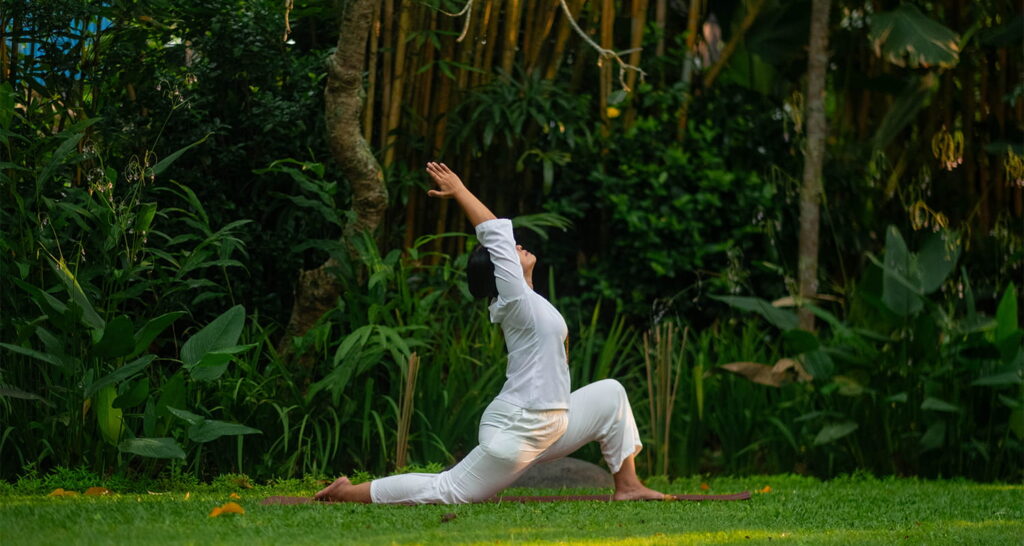
Yoga is not simply exercise; it is integration. Practising yoga while travelling alone enhances body awareness, emotional regulation and clarity of intention. Morning yoga sessions in open-air pavilions, surrounded by jungle and river sounds, reconnect travellers to rhythm, breath, posture and stillness.
Scientific research consistently supports yoga’s benefits for:
Stress reduction
Nervous system balance
Improved sleep
Enhanced emotional resilience
For solo travellers navigating transition with career change, relationship shifts and life milestones, yoga becomes a stabilising anchor.
Planning a Solo Wellness Trip to Bali
If you are organising your Bali itinerary as a solo traveller, consider structuring it in three phases:
1. Arrival & Grounding (2–3 days) Begin in Ubud. Give yourself time to adjust to the climate, pace and time zone. Explore rice fields, cafés and temples.
2. Immersion (3–5 days) Book a yoga or detox retreat in Bali. This creates continuity and depth. Rather than piecing together scattered activities, immerse yourself in a coherent programme that supports transformation.
3. Integration (2–3 days) After your retreat, explore again, but now from a calmer, clearer state. Notice how your experience of Bali shifts.
Is Bali Safe for Solo Travellers?
Yes! Particularly in areas like Ubud and established wellness destinations. As with any travel, awareness and cultural respect are important. But Bali’s strong community culture and hospitality make it one of the more welcoming destinations for independent exploration.
Solo Travel Does Not Mean Isolation
Interestingly, many travellers arrive alone but leave with unexpected connections. Shared meals, yoga classes, detox journeys, and rituals naturally foster a gentle sense of community. At Fivelements Ubud, guests often describe a sense of belonging not because of social pressure, but because of shared intention. Solo travel here becomes not isolation, but alignment.
Why Bali in 2026 Is Perfect for Solo Wellness Travel
Travel trends indicate that travellers increasingly prioritise:
Mental clarity
Digital detox
Nervous system regulation
Purposeful movement
Gut health
Sustainable travel
Fivelements Ubud uniquely integrates all of these within one destination.
From plant-forward cuisine at Sakti Dining Room to sunrise yoga sessions, from sacred fire rituals to structured detox programmes, solo travellers can shape restorative journeys.
A Journey Back to Yourself
The most profound reason to travel alone is to return to yourself, clarity, embodiment and intention. If you are planning solo travel to Bali, consider anchoring your journey in a place that supports true integration. A yoga and detox retreat in Ubud offers not just experience, but transformation.
At Fivelements Ubud, we welcome solo travellers seeking renewal with programmes designed to support detoxification, mindful movement, sacred ritual and conscious nourishment. Because sometimes the most meaningful union begins with yourself.
THE ULTIMATE GUIDE TO BALI IN 2026: BEST TIME, TOP EXPERIENCES & TRAVEL TIPS
Bali continues to captivate travellers from around the world, not simply as a tropical island escape, but as a destination where culture, nature and wellbeing converge. As we move into 2026, travel to Bali is evolving. Visitors are seeking deeper experiences, more meaningful itineraries, and destinations that nourish body and spirit.
If you are planning your Bali travel in 2026, this guide will help you choose the best time to visit, discover top experiences and shape a journey that feels restorative.
Best Time to Visit Bali in 2026
Bali enjoys a tropical climate year-round, but understanding its seasonal rhythms can enhance your experience.
Dry Season (May–October): Ideal for outdoor exploration, temple visits, beach days and nature excursions. Expect sunny skies and lower humidity.
Green Season (November–April): Lush landscapes, fewer crowds and a more introspective atmosphere. Occasional rainfall transforms the island into a vibrant emerald sanctuary, particularly beautiful around Ubud and the Ayung River valley.
For travellers seeking a wellness retreat in Bali, the green season offers a quieter, more reflective environment, perfect for healing journeys and immersive programmes.
Top Experiences in Bali for 2026
1. Explore Ubud: The Cultural Heart of Bali
Often described as the island’s soul, Ubud remains one of the best places to visit in Bali. Surrounded by rice terraces, river valleys and artisan villages, Ubud blends cultural heritage with contemporary wellness.
Top things to do in Ubud:
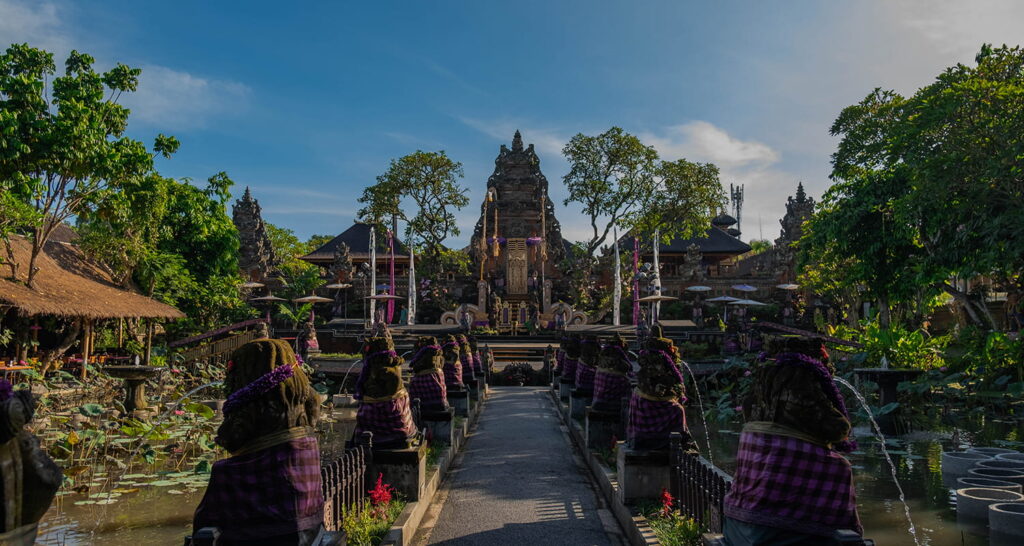
Visit sacred temples and participate in purification rituals
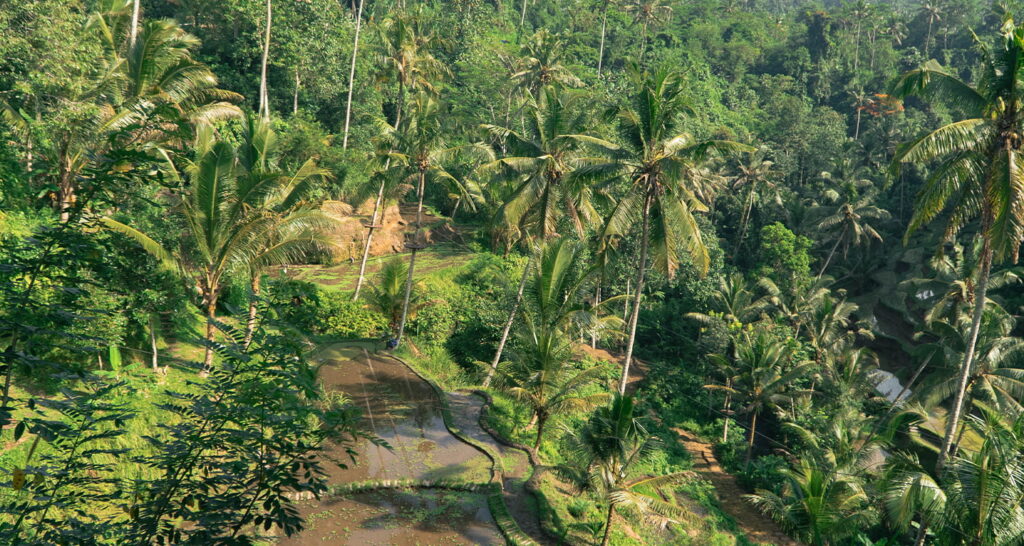
Walk through Tegallalang rice terraces
Experience traditional Balinese ceremonies
Explore art markets and local craftsmanship
Ubud is also home to some of Bali’s most respected healing retreats, offering immersive experiences rooted in Balinese wisdom.
These rituals offer moments of pause and reflection, inviting travellers to connect more deeply with themselves and the island.
At Fivelements Ubud, sacred ceremonies such as the Agni Hotra fire ritual are integrated into wellness programmes, providing a structured yet gentle way to engage with Balinese sacred healing traditions.
3. Discover Bali’s Natural Landscapes
Beyond its beaches, Bali offers dramatic natural beauty:
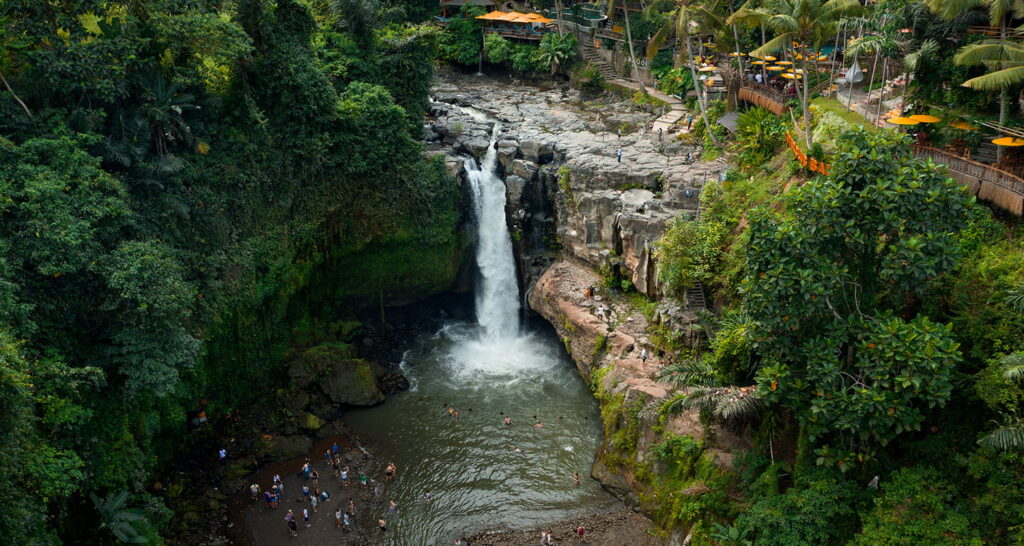
Waterfalls in the north
Volcanic landscapes around Mount Batur
Snorkelling and marine exploration in East Bali
River valleys along the Ayung River
Nature-based experiences support nervous system regulation and mental clarity. Increasingly, travellers are searching for “nature wellness Bali” and “holistic travel Bali”, reflecting a shift toward restorative tourism.
4. Wellness Travel in Bali: A Growing Global Trend
Wellness tourism in Bali continues to rise as travellers seek meaningful rest rather than passive holidays. Searches for “wellness retreat Bali” and “healing retreat Ubud” remain strong heading into 2026.
Plan for balance. Avoid over-scheduling. Allow time for stillness between experiences.
Respect local customs. Dress modestly when visiting temples and observe ceremonial etiquette.
Choose conscious accommodation. Look for eco-friendly stays that honour land, culture and community.
Support local artisans and farmers. Sustainable tourism ensures Bali’s traditions continue to thrive.
Integrate rest into your journey. Whether through a short wellness programme or a full retreat, prioritising restoration can transform your entire travel experience.
Why Bali in 2026 Feels Different
Travel trends indicate that modern explorers are seeking connection not only with destinations but also with themselves. Bali offers something rare: a place where culture, nature and conscious living coexist.
From sunrise rituals to plant-forward nourishment, from sacred temples to jungle sanctuaries, Bali is not simply a place to visit; it is a place to realign.
If your 2026 travel plans include Bali, consider shaping your journey around intentional experiences. A stay at a wellness retreat in Ubud can provide a grounding centre for exploration, allowing you to venture outward while remaining anchored within.
At Fivelements Ubud, we welcome travellers who seek more than scenery – those ready for restoration, clarity and transformation in harmony with the island’s rhythms.
Start Planning Your Bali Journey
Whether you are crafting a full Bali itinerary or searching for a sanctuary within your travels, 2026 offers an opportunity to experience the island with depth and awareness.
Discover wellness, culture and renewal at Fivelements Ubud, where your Bali travel story becomes something meaningful.
WHY BALI IS ONE OF THE WORLD’S GREAT HEALING CENTRES
Why Bali is One of the World’s Great Healing Centres
When I first came to Bali more than a decade ago, I was struck not just by its beauty, but by the palpable sense that this land itself was alive: its rivers, its forests, its temples and the people’s profound sense of sacred connection. Over the years, through working with authentic Balinese healers and wellness programme developers, I have come to believe that Bali is not simply a destination for healing retreats; it is one of the world’s great healing capitals. Here’s why.
The Power of Place: Nature, Tradition and Spiritual Heritage
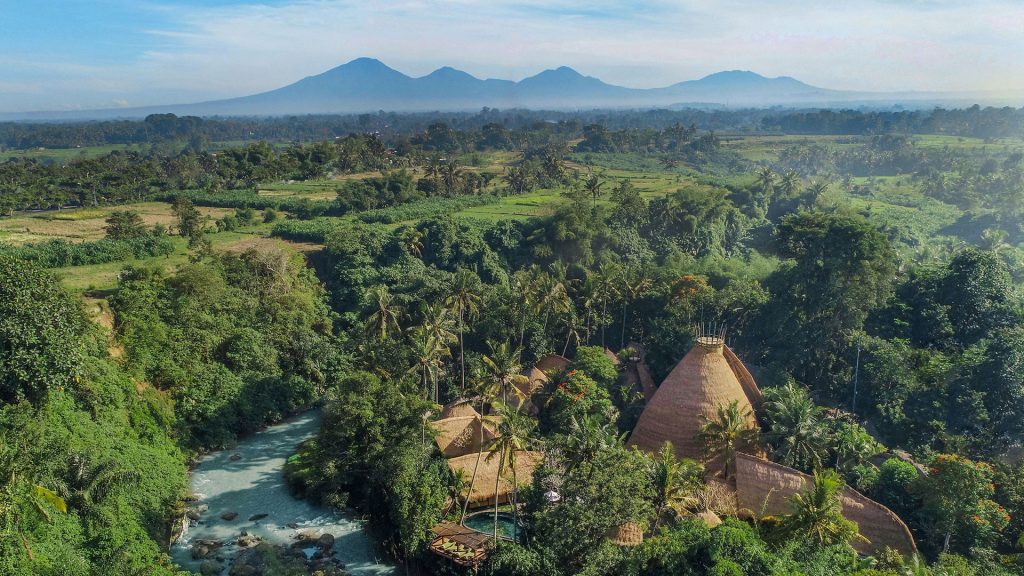
Healing begins with the environment. Bali’s lush landscapes, vibrant green valleys, gently flowing rivers (particularly the Ayung River, where Fivelements Ubud is situated), and the rhythm of its seasons create a naturally restorative backdrop. Breath enters differently here; the energetic field is rich, alive.
But nature alone is not enough. Bali’s cultural and spiritual traditions infuse every part of life with meaning. The lontar usadas (palm‐leaf medical manuscripts), the keeping alive of family healer lineages, the constant presence of temple practices – these are not tourist attractions but living systems. Sacred arts, fire ceremonies, sound and ritual are integrated into daily life. They give form to the formless.
Traditional Healing & Energetic Wisdom
What distinguishes Bali’s healing more than almost anywhere I have studied is that it addresses subtle energy and consciousness first, because without balance at that deeper level, physical treatments are incomplete. At Fivelements Ubud, for example, the team works with traditional Balinese healers who open energy channels, perform fire ceremonies, weave sound and incantations to transform consciousness, then allow the body to follow.
This contrasts with wellness models that treat only symptoms. In Bali, healers understand traditional concepts such as the hot‐cold continuum, the damp‐dry continuum, and energetic blockages. These classical concepts align well with modern biomedical concepts, such as pro- and anti-inflammatory responses. However, the healers map a much more textured, personalised cartography of healing for each individual.
Holistic Integration: Food, Architecture & Sacred Space
Wellness retreats in Bali are not simply about spa treatments or yoga. True healing resorts embody a full integration: sacred architecture that honours natural geometry (for example, bamboo structures, open spaces), nurturing cuisine (“food as medicine”) that supports digestion, balances inflammation, provides energetic balance; and offers spaces where sound, ritual, silence, meditation and nature intertwine.
This holistic design of space, nourishment, and ceremony supports the deepest level of transformational healing: where a person’s consciousness, body, emotions, and energy align. Ubud is special not just because of its forests, rivers and rice terraces, but because of its palpable spiritual energy, its rich network of healers, ceremonies and sanctuaries that express this multi-layered integration.
What to Look For When Choosing a Healing Retreat in Bali
If you are considering travel to Bali for wellness or sacred healing, not all retreats are the same. To choose well:
Seek retreats offering authentic Balinese sacred healing (fire ceremonies, sound healing, traditional healers) rather than superficial versions.
Look for whether the retreat practices a personalised diagnosis: does it take into account your energetic state (e.g. imbalances, inflammation, emotional tension)?
Check the food philosophy: is it nurturing, mindful, local, and supportive of healing?
Observe the space: architecture, nature, sacred geometry and how the retreat integrates with the landscape.
See whether there is continuity of ritual and ceremony, not just one‐off add-ons.
Understand the location: Ubud, the Ayung River, and sacred valleys tend to have stronger energetic and environmental support than more commercial, touristy zones.
Why Bali, and Why Now
In 2025, more people are seeking deeper healing: mental health, energy balance, and spiritual renewal. Bali offers a unique convergence of healing influences. Trends in wellness tourism show increasing demand for integrative programmes: mental health, ancestral healing, culinary medicine programmes, sound healing.
Bali responds with maturity: there is room for modern science, but built into it is the living wisdom of traditional systems. In this moment, when many feel disconnected, as one of the healing capitals of the world, Bali offers not escape, but reconnection: to land, to self, to ancestral wisdom, to energy and consciousness.
Fivelements Ubud was shaped around such principles. It offers a sacred space on the Ayung River, authentic Balinese sacred healing, fire ceremonies conducted by master healers, plant-nurturing cuisine designed as medicine, and architecture that honours nature. If you seek not just rest, but deep transformation, Bali may well be just the place you are looking for.
About the Author
Professor Gerry Bodeker is a Harvard-trained scholar of traditional medicine and public health, who has been associated with Fivelements Bali for over fifteen years. His work focuses on traditional healing systems and wellbeing, understood both scientifically and experientially.